
Best Coffee for Espresso: How to Pick Beans That Pull Sweet, Thick Shots
Your shot runs sour one day and bitter the next, and you blame the machine. Most of the time, the bag is the problem. The best coffee for espresso is not a rare bean or a high price. It is a fresh bag, at the right roast, ground fine, and matched to your drink. Give me a few minutes. By the end, you will have a five-point checklist, a simple starting shot, and a clear pick for your first bag.
Roasted only after you order. Both of our coffees are 24 per full pound, and most roasters sell 12 oz bags. Your first order is covered by our love it or your money back guarantee.
The short answer: The best coffee for espresso is a fresh whole bean at a medium or medium-dark roast, with notes like chocolate, caramel, or nuts, ground fine right before you pull. Espresso is not a type of bean, so any coffee can work. Rest fresh beans 5 to 7 days after roasting, then use them within a few weeks. Start at 18 grams in and 36 grams out in 25 to 30 seconds, and the shots come out sweet and thick.
Why espresso tells the truth about a bag
Espresso is a hard test. Your machine pushes hot water through fine grounds at about 9 bars of pressure, and the shot is done in 25 to 30 seconds. There is no long steep to hide behind.
That is why a bag can taste fine in a French press and still fail here. Beans that were balanced in a slow brew can turn sharp and sour, or flat and bitter, under that pressure. Stale beans have nowhere to hide either. If the aroma left weeks ago, your shot tastes thin, no matter how good your machine is.
So start with the bag, not a new machine. Get the bag right, and dialing in gets much easier.
The 5-point checklist for the best coffee for espresso
Run any bag through these five checks before you buy it. Pass all five, and you have a fair shot at a sweet, thick cup.
- Fresh, rested, and dated. Look for a roast date, not just a best-by date set months out. But fresh does not mean day one. Roasting fills beans with carbon dioxide, and that gas turns harsh in the cup. Give beans at least 5 to 7 days of rest after roasting, with 7 to 11 days ideal. Then use the bag in the next few weeks. No roast date is your answer.
- Medium or medium-dark roast. This is the sweet spot for most home setups. A medium roast keeps the taste of the place the bean grew, and still gives you body and sweetness. Dark roasts are lower in acidity and most forgiving. Light roasts can be bright and great, but they are dense and less soluble, so they need a finer grind and more care.
- Notes that hold up under pressure. Look for balance: chocolate, caramel, brown sugar, hazelnut, almond, or ripe fruit. Those notes stay sweet in a short, strong shot. A very sour or bitter bean is harder to dial in.
- Whole bean, ground fine, right before the shot. Whole beans hold flavor far longer than ground coffee. Grind fine, about like table salt with a powdery feel. That grind slows the water down enough for a full shot. A burr grinder helps, because it makes even grounds. A blade grinder makes dust and chunks in one scoop, so part of the shot turns bitter while the rest stays sour.
- Matched to your drink. For lattes and cappuccinos, pick a fuller, sweeter bean. Milk dulls flavor and covers acidity, so you need dark chocolate and caramel notes that stand up to steamed milk. If you drink shots straight, go brighter. A fruitier bean shows more with no milk in the way.
Espresso is a method, not a bean
Here is the open loop from the top, closed. There is no espresso bean plant. Espresso is a way to brew, not a kind of bean. When a bag says espresso, it means the roaster picked a roast they think tastes good under pressure. Any coffee can be pulled as espresso. Some just taste better than others.
That also clears up the blend question. Blends mix beans from more than one place to hit one steady taste. They are consistent and easier to dial in, a safe daily shot. Single origin beans come from one place, so you taste that place clearly. In a shot, that can be a real treat. It is also less forgiving, and rewards careful grind work. Our guide to single origin vs blend coffee walks through that choice in full.
Your starting shot, and the two fixes
Once you have a good bag, use this starting point. Then change only the grind.
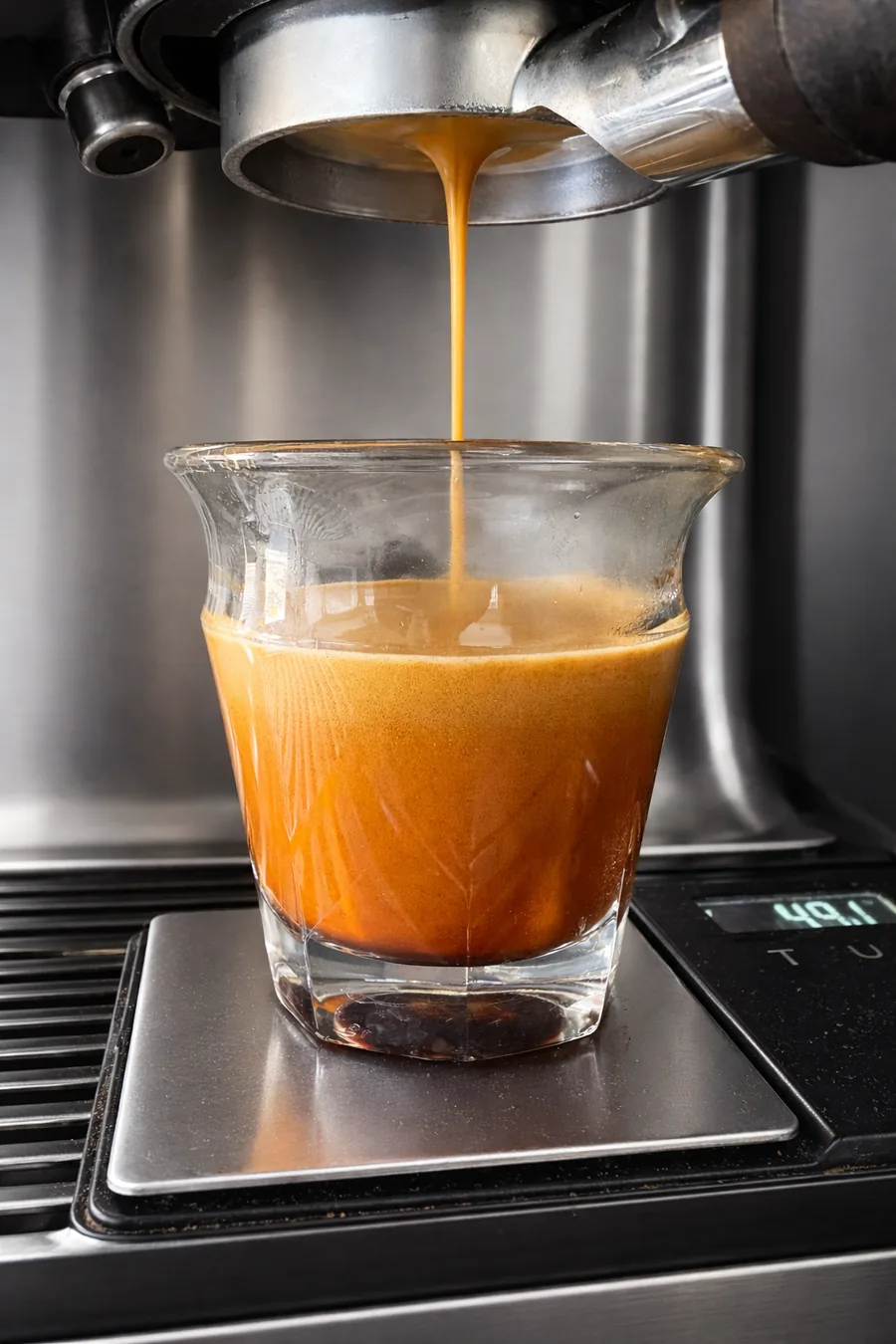
The start: weigh 18 grams in, and aim for about 36 grams out. That is about a 1 to 2 ratio. Time it. You want 25 to 30 seconds. Our coffee grind size chart shows where espresso grind sits.
Fast and sour: the water rushed through and pulled too little out. Grind finer to slow the flow.
Choked or bitter: the water could barely get through, and pulled too much out. Grind a step coarser. Make one small change, pull one shot, taste again. Change three things at once, and you learn nothing.
And if your bag has been open for months, stop tuning. No grind setting brings back aroma that is gone. Run our five-second coffee freshness test on the bag first.
Which Besa bag should your machine try first?
For most home espresso drinkers, I would start with our Colombian Huila. It is a medium roast with dark chocolate, caramel, and hazelnut notes, rich and sweet with a smooth, full body. Espresso is one of the brew methods we list for it, and that base holds up in milk drinks. Colombian coffee is known for balance and caramel sweetness that cuts through milk. No machine yet? It is also our pick for the moka pot. Our guide on how to make espresso without an espresso machine shows that route.
For a brighter shot, try our Ethiopian Yirgacheffe. It is a light-medium roast with bright citrus, sweet honey, and soft floral notes. On its page, we say the same thing here: for espresso, drink it straight. Milk buries those fine notes. Sipped plain, it shows you what a single origin shot can taste like.
Either way, we roast only after you order. Your bag rests on the way to you, not on a shelf for months.
Espresso bean questions, answered
What is the best coffee for espresso?
Fresh, whole bean coffee at a medium or medium-dark roast, with notes like chocolate, caramel, or nuts, ground fine right before you pull. Espresso runs at about 9 bars for 25 to 30 seconds, so it shows every flaw in a bag. Freshness and roast matter more than the word espresso on the label.
Do you need special beans labeled espresso?
No. Espresso is a brewing method, not a type of bean. The word espresso on a bag describes a roast style the roaster thinks tastes good under pressure. Any coffee can be pulled as espresso. Some just taste better, and medium roasts are the most forgiving place to start.
What roast level is best for espresso?
Medium to medium-dark is the sweet spot for most home setups. It keeps the bean's own flavor while adding body and sweetness. Dark roasts are lower in acidity and more forgiving. Light roasts can be bright and great, but they are denser and less soluble, so they need a finer grind and more care.
How fresh should espresso beans be?
Let fresh beans rest first, then use them young. Roasting fills beans with carbon dioxide, and espresso needs at least 5 to 7 days of rest, with 7 to 11 days ideal, so the shot can run even. After the rest, use the bag within the next few weeks. Always judge by the roast date, not a best-by date.
What grind size is best for espresso?
Fine, about like table salt with a powdery feel. That grind resists the pressure long enough for a 25 to 30 second shot. Too coarse and the shot rushes through, weak and sour. Too fine and it chokes or turns bitter. Start near 18 grams in and 36 grams out, about a 1 to 2 ratio, and adjust from there.
Is single origin or blend coffee better for espresso?
Neither wins for everyone. Blends are built for consistency and are easier to dial in, a safe daily shot. Single origin beans bring the clear taste of one place, but they are less forgiving and reward careful work. Pick by drink: a fuller, sweeter bean for milk drinks, a brighter bean for shots you drink straight.
Your machine was not the problem.
Now you have the checklist: a fresh, rested bag, a medium roast, notes that hold up, a fine grind, and a bean matched to your drink. Both of our coffees are single origin, sold by the full pound, and roasted only after you order.