
Best Coffee for Pour Over: How to Pick Beans That Shine
You bought the dripper. You watched the videos. Then your cup came out flat, and you blamed your pour. Most of the time, your pour is fine. The bag is the problem. The best coffee for pour over is not the most famous bag or the darkest one. It is a fresh, single origin bean roasted light to medium, picked for the flavor you actually want. Give me two minutes. By the end, you will know how to spot that bag in ten seconds, and how to prove it with one simple brew.
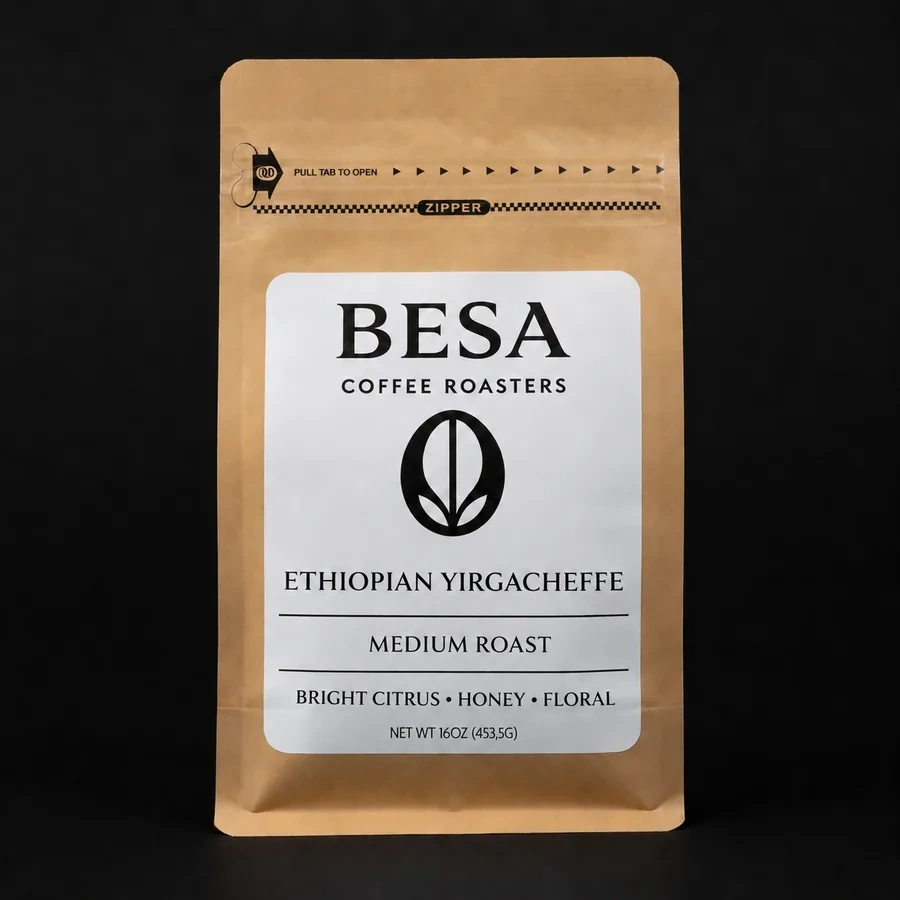
Roasted only after you order. Both of our coffees are 24 per full pound, and most roasters sell 12 oz bags. Your first order is covered by our love it or your money back guarantee.
The short answer: The best coffee for pour over is a fresh, single origin, whole bean coffee roasted light to medium. Light roasts taste bright and floral, while medium roasts taste rounder and sweeter. Check for a real roast date, not a best by date, and grind right before you brew. Start at 1 gram of coffee for every 16 grams of water, about like table salt for the grind, and the bean will shine.
Why pour over tells the truth about your beans
Pour over is the most honest way to brew. Hot water moves through a paper filter, and the cup comes out clean and clear. There is no milk, no pressure, and no long steep to cover things up. You taste the bean itself: its sweetness, its bright notes, and its flaws.
That is a gift when the bean is good. A great bean gives you clear, layered flavor. You can taste one note, then the next. A weak bean gives you a dull cup that no pour trick can save. Dark roast has the same problem. Heavy roasting flattens what makes one origin taste different from the next, and swaps it for smoke and bitterness. In a pour over, that swap is easy to taste.
So the rule is simple. Pour over rewards the bean first, and your skill second. Pick the right bag, and a basic method tastes great. Pick the wrong bag, and perfect skill still tastes flat.
The best coffee for pour over: the 5-point checklist
Use this list on any bag, in any store or online shop. A bag that passes all five is a bag that will shine in your dripper.
- Single origin. One place, one clear flavor. Blends aim for the same taste all year. Single origin lets you taste what that place grows. That clear flavor is the whole point of pour over.
- Light to medium roast. This range keeps the origin flavor alive. Light roast brings bright, floral, fruit-like notes and a tea-like feel. Medium roast brings rounder sweetness, like caramel, honey, and chocolate, with more body. Both work. Very dark roast is the hard mode for this method.
- A real roast date. Not a best by date. A roast date. Fresh beans bloom when hot water hits them. They swell and bubble as trapped gas escapes. Old beans sit flat, and flat beans brew a flat cup. If you want the full test, read our guide on how to tell if your coffee is stale.
- Whole bean. Ground coffee fades fast. Buy whole bean and grind right before you brew. For pour over, aim for a medium to medium fine grind, about like table salt.
- A flavor lane you like. Pick by taste, not by hype. Bright and floral, or rich and sweet. The next section makes this choice easy.
Bright and floral, or rich and sweet? Pick your lane
Most pour over drinkers land in one of two lanes. Neither lane is better. They just taste different, and your lane decides your bag.
Lane one: bright and floral. You want a clean cup that tastes lively. You like citrus, flowers, and a light feel. Ethiopian coffees are the classic pick here, and washed Ethiopian beans shine at a light to light-medium roast. Our Ethiopian Yirgacheffe is a light-medium roast with bright citrus, sweet honey, and soft floral notes. It is the brightest coffee we roast, and pour over is where it shows off. If you want the step-by-step brew for it, we wrote a full guide on how to brew Ethiopian Yirgacheffe at home.
Lane two: rich and sweet. You want comfort in the cup. You like chocolate, caramel, and a fuller feel, but you still want a clean brew. Colombian coffees fit this lane well at a medium roast, where you get sweetness and clarity in the same cup. Our Colombian Huila is a medium roast with chocolate, caramel, and warm hazelnut notes. It is rich and sweet, with a smooth, full body that still reads clear through a paper filter.
Still torn? Ask one question. Do you drink your coffee black and slow, tasting each sip? Take lane one. Do you want a daily cup that tastes great even on a rushed morning? Take lane two. Medium roast is more forgiving when your grind or water is a bit off.
One simple recipe to test any new bag
A new bag needs a fair test. Use the same simple recipe each time, so the bean is the only thing that changes.
- Weigh it. Use 20 grams of coffee to 320 grams of water. That is a 1 to 16 ratio, a solid start for pour over.
- Rinse the filter. Pour hot water through the paper first, then toss that water. This cuts paper taste and warms your brewer.
- Bloom. Add your grounds, then pour about 60 grams of water, roughly 3 times the coffee weight. Wait 30 to 45 seconds. Fresh coffee will swell and bubble. That bloom is your freshness proof.
- Pour in two stages. Add half the rest of the water in slow circles, wait a bit, then add the rest. Keep the grounds wet, but do not pour right on the paper.
- Watch the clock. The full brew should end between about 2 minutes 45 seconds and 3 minutes 30 seconds. Too fast and sour? Grind finer next time. Too slow and bitter? Grind coarser.
Taste the cup black, start to finish, as it cools. Good pour over coffee gets sweeter as it cools. If yours turns harsh, the bean or the roast was fighting the method, not you.
Three buying mistakes that ruin good beans
Buying dark roast for a clarity method. Dark roast has its place, but pour over is not it. The roast flavor talks over the bean, and the cup turns one-note.
Buying a big bag you cannot finish fresh. A huge bag feels like a deal. Then week four tastes like week one never happened. Buy a size you will finish while it is still fresh, and buy more often.
Judging a bag on brew one. Your first cup with a new bean is a draft. Adjust the grind once, brew again, and then judge. The checklist picked the bean. One small grind change lets it speak.
Pour over coffee questions, answered
What is the best coffee for pour over?
The best coffee for pour over is a fresh, single origin, whole bean coffee roasted light to medium. Light roasts bring bright, floral flavor. Medium roasts bring rounder sweetness. Either way, a real roast date on the bag matters more than the brand name.
Is light or medium roast better for pour over?
Both work. Light roast gives you clarity, bright acidity, and floral or fruit notes, but it can taste sharp if your grind or water is off. Medium roast is more forgiving and gives you caramel, honey, and chocolate sweetness with better body. If you are new to pour over, start with medium.
What ratio should I use for pour over coffee?
Start at 1 to 16, or 1 gram of coffee per 16 grams of water. A cup is 20 grams of coffee to 320 grams of water. Bloom with 3 times the coffee weight in water for 30 to 45 seconds, then pour the rest in stages. Brew time lands between 2 minutes 45 seconds and 3 minutes 30 seconds.
What grind size is best for pour over?
Use a medium to medium fine grind, about like table salt. If your cup tastes sour and thin, grind a bit finer. If it tastes bitter and harsh, or the water drains very slowly, grind a bit coarser. Change one small step at a time.
Why does my pour over taste flat?
Flat pour over usually means the beans are stale, the roast is too dark for the method, or the coffee was ground long before you brewed. Pour over shows bean quality with no place to hide. Buy whole bean coffee with a roast date, grind right before you brew, and watch the bloom: fresh coffee swells and bubbles as gas escapes.
Put the checklist to the test.
Pick your lane, and taste the difference a fresh roast makes. Both of our coffees are single origin, sold by the full pound, and roasted only after you order.