
Single Origin vs Blend Coffee: Which Should You Buy?
You are staring at two bags of coffee. One says single origin. The other says blend. You want to know which one tastes better, and the bag will not tell you. Here is the honest answer. Neither one is better. They are built for different jobs. In the single origin vs blend coffee debate, the real question is not which one wins. It is which one fits you. Give me three minutes, and you will know exactly which bag to grab.
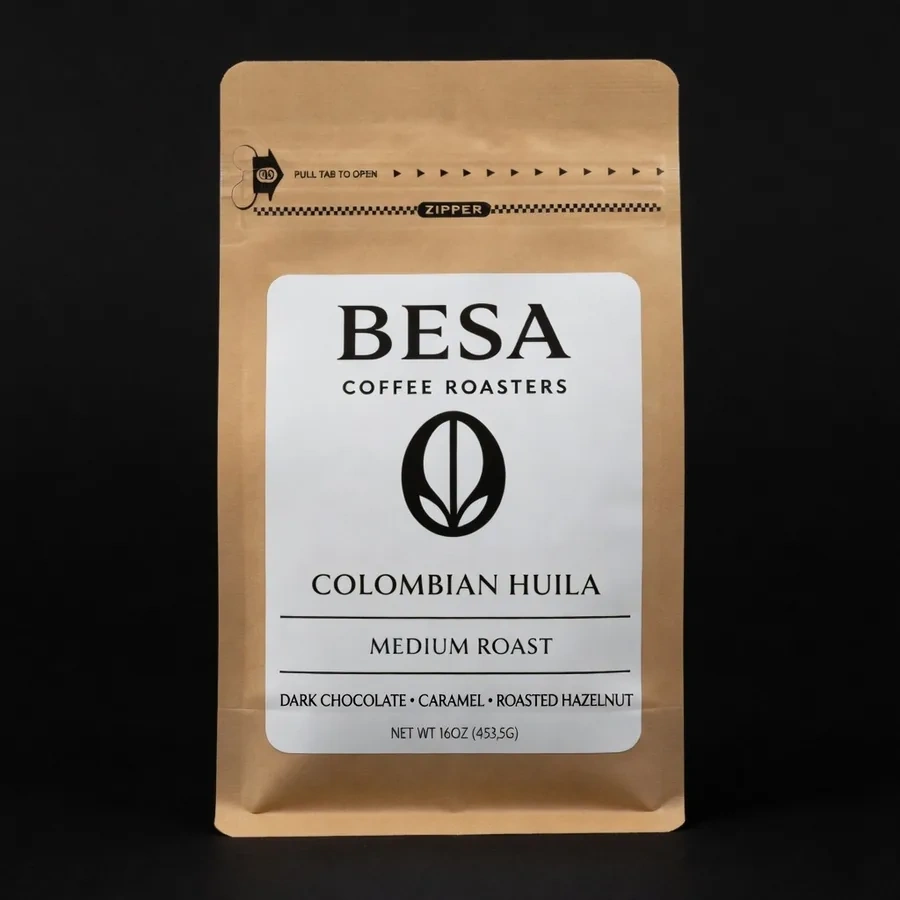
Roasted only after you order. Both of our coffees are 24 per full pound, and most roasters sell 12 oz bags. Your first order is covered by our love it or your money back guarantee.
The short answer: Neither single origin nor blend is better. They do different jobs. Single origin comes from one place and lets you taste that place, with a distinct flavor that can shift from harvest to harvest. A blend mixes coffees from different places to stay balanced and taste the same bag after bag. Drink it black or by pour over, pick single origin. Espresso, milk drinks, or the same cup daily, pick a blend.
What single origin really means
Single origin means the coffee comes from one place. That place can be a whole country, like Colombia. It can be one region, like Huila. It can be one farm, or one small lot on one farm. The goal is simple. You taste what that place grew. One group of farmers. One part of the world. One harvest.
The flavor is the point. A Colombian coffee might bring red fruit and caramel sweetness. An Ethiopian might be bright and floral. You are tasting the soil, the altitude, and the weather of that spot. That is the whole idea.
One thing to know. Single origin is not a regulated term. Any roaster can put it on a bag. The serious ones tell you the region or the farm. If a bag just says the word and nothing else, you are not getting much traceability.
What a blend really is
A blend is coffee from more than one place, mixed on purpose. Two origins. Three origins. Sometimes more. The roaster picks each one for a job. This one brings body. That one brings sweetness. That one brings brightness.
The goal is one steady flavor. The roaster builds a recipe and then protects it. Coffee is a crop, and crops change from year to year. The rain is different. The harvest is different. So roasters adjust the mix to keep the same taste. They might swap one component for another, or change the percentages, and the cup stays familiar.
Think of it this way. Single origin is a solo. A blend is a band. One is not better than the other. They do different things.
The oldest blend in the world
Blends are older than the single origin trend by centuries. The first famous blend was Mocha Java. It mixed coffee from the port of Mocha in Yemen with coffee from the island of Java in Indonesia.
Trading ships would call at both ports on the same trip home to Europe. The two origins sat in the same holds, and roasters started mixing them. That pairing became the first well known coffee blend, back in the 1600s and 1700s.
Blends have been the default way to drink coffee for most of history. Single origin only became a big trend in the last 10 to 15 years.
Single origin vs blend coffee: how they taste
Here is how they land in the cup.
- Single origin gives you a distinct flavor. Bright. Traceable. It can change a little from harvest to harvest. It shows the origin first.
- A blend gives you a balanced flavor. Smooth. Round. Chocolate, nuts, and caramel show up a lot. It tastes the same bag after bag.
- Roast plays a role. Roasters often roast single origins lighter, to let the origin shine. Blends often go a touch darker, for body and balance.
- Price follows the same logic. Single origins usually cost more. The lots are smaller and the sourcing takes more work. Blends are often the better value.
And here is one myth to drop. Blends are not made from cheap beans. That was true of old supermarket blends, and the stigma stuck. Modern specialty blends are built from good coffee on purpose. A skilled roaster mixes two or three origins to build a cup no single bean could make alone.
Your brew method is the tiebreaker
This is the part most guides skip. The brewer you use changes the answer.
Pour over and drip coffee flatter single origins. The clarity of those brewers lets the origin character shine through. If you want to taste the place, brew it clean.
Espresso, French press, and milk drinks flatter blends. Espresso is high pressure, and it magnifies every sharp edge. A blend stays smoother under that pressure, and it holds its character through milk. A single origin can make a great espresso, but it rewards a dialed in setup. If you are pulling shots at home, our guide on making espresso without an espresso machine pairs well with a forgiving coffee.
The 4 question checklist
Still torn? Answer these four.
- Do you drink your coffee black? If yes, lean single origin. You will taste every nuance, and nothing gets hidden. Whole bean is the way to go either way.
- Do you love trying new flavors? If yes, lean single origin. Each origin is a new trip.
- Do you want the exact same cup every morning? If yes, lean blend. That is what blends are built for.
- Are you making lattes or espresso drinks? If yes, lean blend. It plays better with milk and pressure.
Most people land on one side in seconds. Trust your answer.
What I roast and why
Full disclosure. I only roast single origin. Every bag I sell comes from one place. The Colombian Huila is a medium roast. The Ethiopian Yirgacheffe is a light medium roast. That is my whole catalog, and it is on purpose.
I want you to taste the place. Huila tastes like Huila. Yirgacheffe tastes like Yirgacheffe. No mixing, no smoothing, no hiding. And every bag is roasted only after you order, so the origin character is at its peak when it ships. Here is why that freshness matters.
That does not mean blends are bad. They are not. Some of the best roasters I know build beautiful blends. But a blend is a roaster's recipe. Single origin is the farmer's story. I would rather hand you the story.
So grab the right bag for your brew. You know which one it is now.
Single origin and blend questions, answered
Is single origin coffee better than a blend?
Neither is better. Single origin shows you one place's flavor in the cup. A blend is built for balance and consistency. Pick based on how you brew and drink your coffee, not on which label sounds fancier.
What does "single origin" actually mean?
It means the beans come from one place, like one country, region, farm, or lot. The term is not regulated, so look for bags that name the region or farm. That is where the real traceability lives.
Are coffee blends lower quality?
Not in specialty coffee. Old supermarket blends mixed cheap beans to cut costs, and that gave blends a bad name. Modern blends are intentional. Roasters combine good origins to build balance that one bean alone cannot make.
Which is better for espresso, single origin or blend?
Blends are easier in espresso. They stay smooth under pressure and hold their character through milk. Single origin espresso can be excellent, but it rewards careful brewing and a dialed in setup.
Why is single origin coffee more expensive?
The lots are smaller and the sourcing is more selective. More work goes into finding and buying one standout coffee than into filling out a blend recipe.
How do I choose between single origin and blend?
Start with your brew method and your habit. Pour over or black coffee, go single origin. Milk drinks, espresso, or the same cup every day, go blend.
Taste what a single place can do.
Our Colombian Huila (medium roast) and Ethiopian Yirgacheffe (light medium roast) are single origin and roasted only after you order in Houston, Texas.