
How to Make Espresso Without an Espresso Machine
You want espresso at home. You do not want a big machine on your counter. Good news. Here is how to make espresso without an espresso machine, with gear that costs less than a week of cafe lattes. Give me three minutes.
Roasted only after you order. Both of our coffees are 24 per full pound, and most roasters sell 12 oz bags. Your first order is covered by our love it or your money back guarantee.
The short answer: You cannot make true espresso without a machine, because real espresso needs about 9 bars of pressure. But a moka pot or an AeroPress gets you a short, strong, concentrated shot that works in lattes, cappuccinos, and americanos. The moka pot tastes closest to real espresso. The AeroPress is faster and more forgiving. Grind fresh and use fresh beans, and most people cannot tell the difference once milk is in the cup.
First the honest truth. Then the two methods that work, the exact recipes, and the one rule that matters more than your gear.
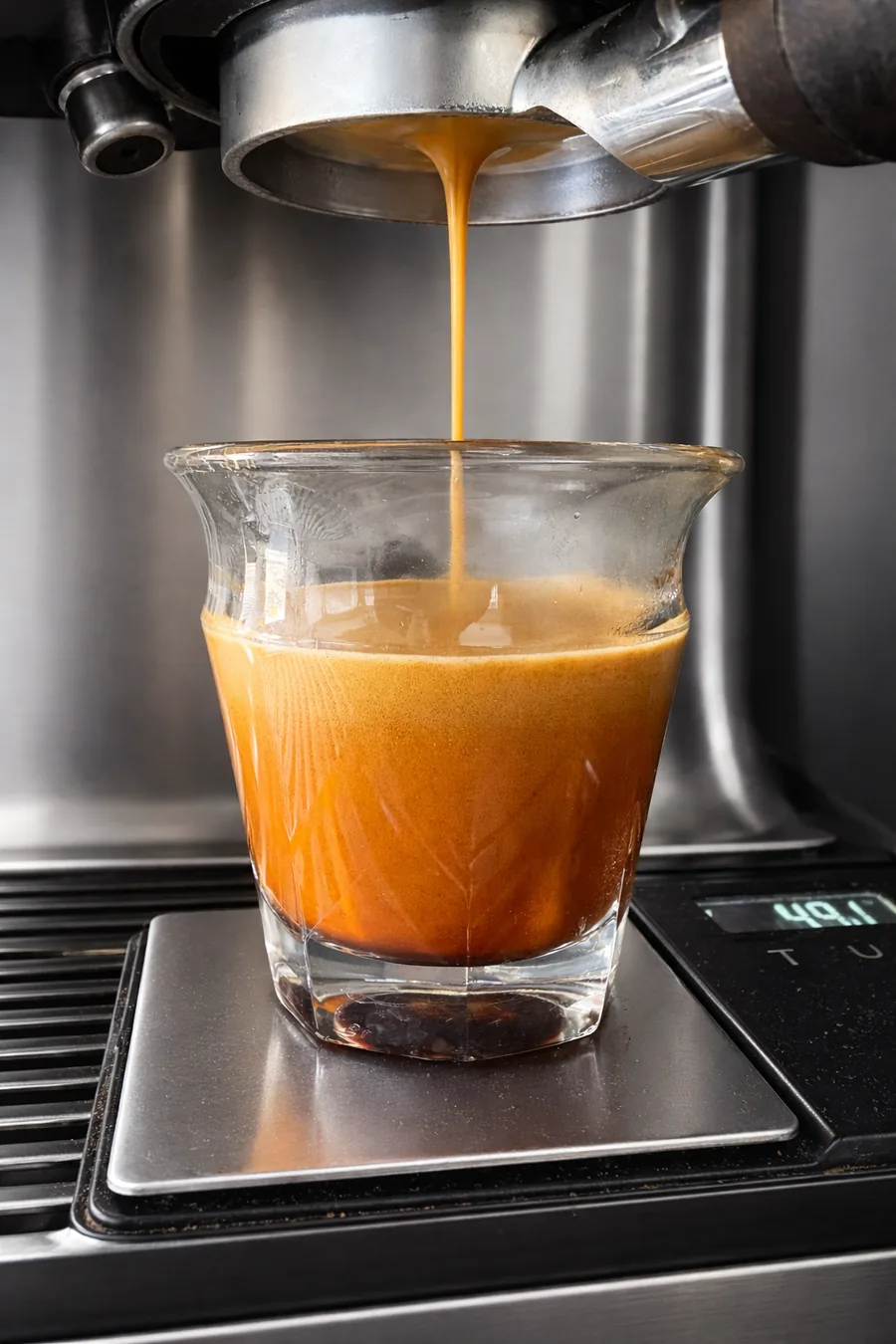
How to make espresso without an espresso machine: the honest truth
True espresso is a pressure game. About 9 bars of pressure push hot water at 194 to 204 degrees through finely ground coffee in 25 to 30 seconds. That pressure is what builds the golden crema on top.
A moka pot makes about 1 to 2 bars of steam pressure. An AeroPress uses hand pressure. Neither one is a true espresso machine. So what you brew is not true espresso. I will not pretend otherwise.
But here is the part that matters. Both methods make a short, strong, concentrated shot. Add hot water and you have an americano. Add steamed milk and you have a latte. Once milk is in the cup, most people cannot tell the difference.
You do not need a machine. You need fresh beans, the right grind, and one of the two methods below.
Method 1: the moka pot (the closest to real espresso)
The moka pot is a stovetop brewer. Steam pressure pushes water up through the grounds. It gives you the boldest, most concentrated cup of the two methods. It tastes the closest to real espresso.
- Fill the base with water. Go just below the safety valve. Use hot water to start. It cuts brew time and keeps the pot from sitting on heat too long.
- Grind medium-fine. A little coarser than true espresso. About the texture of table salt. Fill the filter basket with grounds and level them off. Do not tamp them down. Tamping chokes the pot and makes it bitter.
- Assemble and heat. Set the basket in the base and screw the top on tight. Put the pot on medium heat.
- Listen for the gurgle. When you hear the first gurgle, take the pot off the heat right away. That sound means the brew is done. Leaving it on longer scorches the coffee. This is the mistake almost everyone makes at first.
- Serve it small. A moka pot brews a concentrated shot, not a mug. Drink it as is, or stretch it into a drink.
Moka pots love medium and dark roasts. These roasts hold up to the intense extraction. My Colombian Huila is my pick for the moka pot. It brews up sweet, with chocolate notes that shine in a short, strong cup.
Method 2: the AeroPress (fast and forgiving)
The AeroPress is a simple plunger brewer. It is fast, it is nearly impossible to mess up, and it cleans in seconds. It makes a concentrated shot with a smooth, low bitterness.
- Heat your water. Aim for 205 degrees. If you do not have a thermometer, boil the water and wait about 30 seconds.
- Grind 18 grams fine. Finer than the moka pot grind, but not quite espresso fine. Grind right before you brew.
- Rinse the filter. Put the paper filter in the cap and rinse it with hot water. This removes any paper taste.
- Add coffee and water. Set the chamber on your mug. Add the grounds. Pour about 60 ml of water over them. That is a 1 to 3 ratio, espresso strength.
- Stir and press. Stir for about 10 seconds. Insert the plunger and press down slowly and steadily for 20 to 30 seconds. Stop at the first hiss of air. Do not press through it. That hiss is spent coffee, and it tastes bitter.
- Drink or build on it. You have about 45 to 50 ml of concentrate. Drink it straight, or add hot water for an americano.
The AeroPress is kind to any fresh bean. If you want a bright, lively shot, try the Ethiopian Yirgacheffe. It keeps its floral aroma even in a concentrated brew.
Moka pot vs AeroPress: which one is for you?
| Moka pot | AeroPress | |
|---|---|---|
| Flavor | Bold, intense, closest to espresso | Smooth, clean, low bitterness |
| Pressure | About 1 to 2 bars of steam | Hand pressure through the plunger |
| Grind | Medium-fine | Fine |
| Time | About 5 minutes on the stove | About 2 minutes |
| Ease | Needs attention on the heat | Very forgiving |
| Cleanup | Rinse the parts, mind the gasket | Pop out the puck, rinse |
| Best for | Milk drinks and straight shots | Quick shots and travel |
If you want the richest flavor, get a moka pot. If you want the easiest path to a strong cup, get an AeroPress. Either way, you will spend a fraction of what an espresso machine costs.
The rule that matters more than your gear
Here is the loop I left open at the start. Your brewer matters less than your beans. Espresso style brewing is where freshness shows up the most. It is a concentrated cup. There is nowhere for stale flavors to hide.
Fresh beans give you aroma, sweetness, and body. Stale beans give you a flat, dull shot no matter how good your technique is. I wrote a whole guide on how to tell if your coffee is stale. The short version: look for a roast date on the bag. No roast date is a red flag.
This is why I roast only after you order. My Colombian Huila and Ethiopian Yirgacheffe go into the roaster when your order comes in, not weeks before. In a moka pot or an AeroPress, that freshness is the difference between a good cup and a great one.
Your 6-point espresso at home checklist
- Pick your method. Moka pot for the boldest cup. AeroPress for the fastest.
- Buy whole bean with a roast date. Fresh beans beat fresh gear every time.
- Grind right before you brew. Medium-fine for the moka pot. Fine for the AeroPress.
- Watch your heat. Medium heat on the moka pot. 205 degree water for the AeroPress.
- Stop at the sound. Off the heat at the first gurgle. Off the press at the first hiss.
- Build your drink. Straight shot, americano with hot water, or latte with steamed milk.
You now know everything you need. No machine, no counter sacrificed, no big spend. Just strong, honest coffee in five minutes.
Espresso without a machine, answered
Can you make real espresso without an espresso machine?
Not true espresso. Real espresso needs about 9 bars of pressure to push water through fine coffee grounds in 25 to 30 seconds. A moka pot makes about 1 to 2 bars. An AeroPress uses hand pressure. But both make a short, strong, concentrated shot that works in lattes, cappuccinos, and americanos.
What is the best way to make espresso without a machine?
A moka pot gets you closest to espresso flavor. It uses steam pressure to push water through the grounds, which gives a bold, concentrated cup. An AeroPress is faster and more forgiving, and it is easy to clean. Pick the moka pot for the richest flavor. Pick the AeroPress for speed and ease.
What grind size should I use for moka pot or AeroPress espresso?
For a moka pot, use a medium-fine grind, a little coarser than true espresso. About the texture of table salt. For an AeroPress espresso-style shot, grind fine, just slightly finer than table salt. In both cases, grind right before you brew for the best flavor.
Does coffee freshness matter when making espresso without a machine?
Yes, and it shows up more here than in any other brew method. Fresh beans give you more aroma, more sweetness, and a fuller cup. Stale beans taste flat and dull, no matter how good your technique is. A roast date on the bag is your proof of freshness. Besa roasts our Colombian Huila and Ethiopian Yirgacheffe in Houston, Texas, only after your order comes in.
What kind of coffee is best for moka pot or AeroPress espresso?
Moka pots shine with medium and dark roasts, which hold up to the intense extraction. A single-origin Colombian coffee makes a sweet, chocolatey moka pot cup. For the AeroPress, any fresh whole bean works. A bright Ethiopian coffee makes a lively, aromatic shot.
Can I make a latte without an espresso machine?
Yes. Brew a concentrated shot with a moka pot or AeroPress, then add hot steamed milk. Heat milk on the stove until it is hot but not boiling, and froth it with a whisk or a handheld frother. Pour it over your shot. You get a homemade latte with no machine on the counter.
Your shot is only as good as your beans.
Every Besa bag is roasted only after you order, in Houston, Texas. Fresh beans, bold cup.