Best Coffee for Drip Coffee Maker: How to Pick Beans That Brew Clean and Sweet
Your drip pot is the brewer you use most, and it lets you down most. One morning the cup is flat. The next it is bitter. The machine is rarely the problem. The best coffee for drip coffee maker brewing comes down to five picks you make before you press the button: how fresh the bag is, the roast, the grind, the dose, and the filter. Give me a few minutes. By the end, you will have a simple checklist, the exact dose for a full pot, and which bean to try first.
Roasted only after you order. Both of our coffees are 24 per full pound, and most roasters sell 12 oz bags. Your first order is covered by our love it or your money back guarantee.
The short answer: The best coffee for a drip coffee maker is a fresh whole bean at a medium or light-medium roast, ground medium right before you brew. Freshness beats any brand name. Start with 55 grams of coffee per liter of water, about a 1 to 18 ratio, and pick a paper filter for a clean, bright cup or metal for more body. Get those basics right, and a simple machine brews clean and sweet.
Why your drip pot tastes flat or bitter
A drip maker does one job. It heats water and drips it over grounds in a filter, the same way every day. So when your cup swings from weak to harsh, look at what changed in the basket, not at the machine.
Most bad drip pots trace back to one of three things. The bag is old, and old coffee brews flat no matter how good it was on roast day. The grind is off, so the water pulls too much or too little out of the grounds. Or the dose is a guess, because the marks on your pot do not mean what you think they mean. More on that trap below.
The good news: fix the beans and the basics, and this brewer pays you back every morning.
The 5-point checklist for the best coffee for drip coffee maker brewing
Run any bag through these five checks before you buy it. A bag that passes all five brews well in almost any drip machine.
- Fresh, with a roast date you can see. Freshness beats brand, origin, and price. Coffee is at its best in the first few weeks after roasting, then the aroma fades. Look for a roast date, not just a best-by date set months out. If a bag will not tell you when it was roasted, that is your answer.
- Medium or light-medium roast. Medium roast is the safe start for drip. It keeps the bean's own flavor and adds caramel sweetness, with acidity in the middle that most drinkers like. Light-medium roasts brew brighter. Very dark roasts can taste smoky in a drip basket, where roast flavor covers the bean.
- Whole bean, ground medium, right before you brew. Whole beans hold their flavor far longer than ground coffee. Grind medium, about like coarse sand. Too fine and the water moves slow, over-extracts, and turns bitter. Too coarse and the cup tastes weak and sour. Our coffee grind size chart shows each grind by touch.
- A dose you can repeat. Start with the Specialty Coffee Association Golden Cup standard: 55 grams of coffee per liter of water, about a 1 to 18 ratio. That standard also calls for water near 200 degrees, in the 195 to 205 degree range the National Coffee Association recommends. Weigh your coffee once, learn your scoop count, and your pot stops changing day to day.
- A filter that matches the cup you want. Paper traps most of the coffee's oils and fine bits, so the cup comes out clean and bright. Metal lets more oil through, so the cup tastes fuller and heavier, with a little sediment. Neither is wrong. Pick paper for clarity, metal for body, and rinse a paper filter first to wash out any paper taste.
Notice what is not on this list: a fancy machine. A basic drip maker with a fresh, well-picked bag beats a pricey machine running stale grounds every time.
How much coffee for a full pot? The 5-ounce trap
Here is the trap I promised. The cup marks on your pot are not measuring cups. A coffee maker cup is about 5 ounces, not 8. So your 12-cup pot holds about 60 ounces of water, not 96. If you dose for 12 real cups, you will drown the coffee and wonder why it tastes weak.
Do the math once and write it on a note by your machine. A full 12-cup pot is about 1.8 liters of water. At 55 grams per liter, that is roughly 95 to 100 grams of coffee. A half pot is about 50 grams. No scale? Use the National Coffee Association starting point of 1 to 2 tablespoons per 6 ounces of water, then adjust by taste.
Then tune it. Weak or sour means the water pulled too little out: add more coffee or grind a step finer. Bitter means it pulled too much: use less coffee or grind coarser. Change one thing at a time. Our guide on why coffee tastes bitter covers that fix order in full.
Three habits that protect a good bag
You picked well. Now do not lose the cup after the brew.
Pour it off the hot plate. A glass pot on a warming plate keeps cooking after the brew ends. Coffee left there for more than about 20 to 30 minutes tastes far more bitter than a fresh pour. Drink it soon, brew a smaller pot, or pour it into a thermal carafe, which holds heat without adding heat.
Use water that tastes good. Your pot is mostly water. If your tap water tastes off, your coffee will too. Filtered water is a simple fix.
Store the bag sealed and dark. Keep beans sealed, in a cabinet away from the stove, and buy a size you will finish in a few weeks. If a bag has sat open for months, no brew trick will save it. Our coffee freshness test takes five seconds and tells you the truth about an old bag.
Which Besa bag should your drip pot try first?
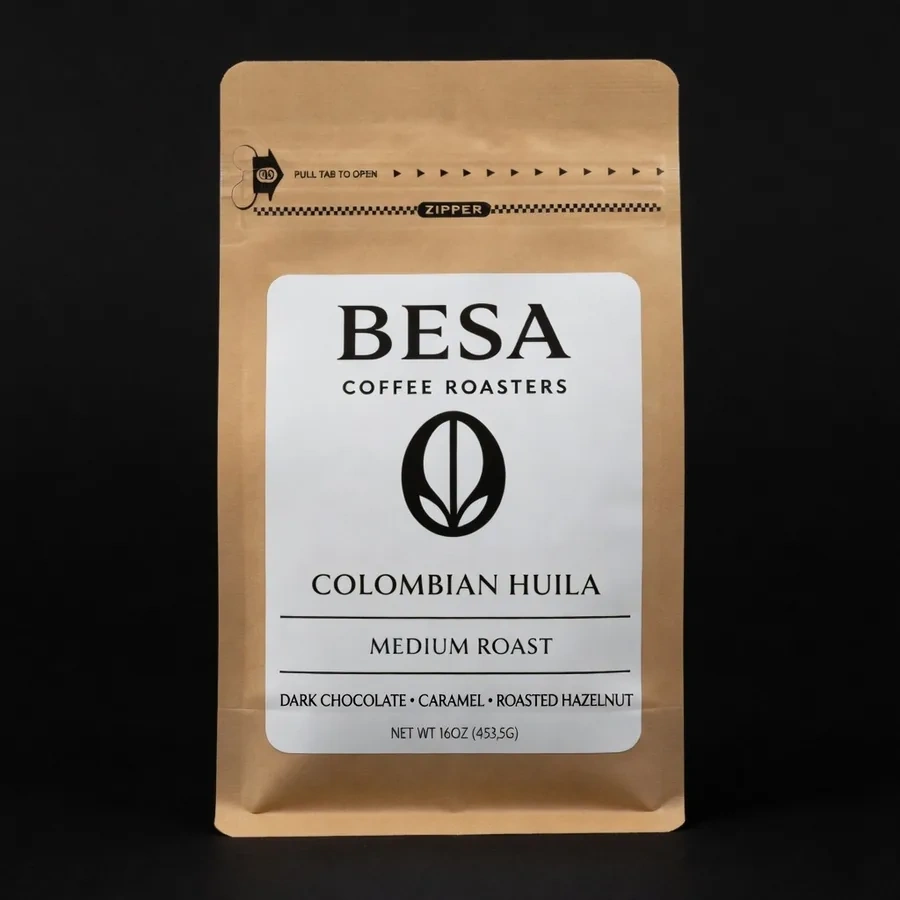
For a smooth, forgiving pot, start with our Colombian Huila. It is a medium roast with dark chocolate, caramel, and hazelnut notes, rich and sweet with a smooth, full body. Drip is one of the brew methods we list for it on its page, and it is the bag I hand to drip drinkers first.
For a brighter pot, try our Ethiopian Yirgacheffe. It is a light-medium roast with bright citrus, sweet honey, and soft floral notes. Brew it with a paper filter for a clean, lively cup. If you love it in the drip pot, our guide to the best coffee for pour over shows where that bean goes next.
Either way, we roast only after you order, so your bag starts its clock days before your first pot, not months before.
Drip coffee maker questions, answered
What is the best coffee for a drip coffee maker?
Fresh, whole bean coffee at a medium or light-medium roast, ground medium right before you brew. Freshness matters more than any brand name. A bag roasted weeks or months ago brews flat in any machine.
What grind size is best for drip coffee?
Medium, about like coarse sand or sea salt. Too fine and the cup turns bitter. Too coarse and it tastes weak and sour. Start at medium and adjust one step at a time.
How much coffee do you use in a drip coffee maker?
Start at 55 grams per liter of water, about a 1 to 18 ratio. A full 12-cup pot holds about 60 ounces of water, because a maker cup is about 5 ounces, so start near 95 to 100 grams for a full pot. No scale? Use 1 to 2 tablespoons per 6 ounces of water.
What roast level is best for drip coffee?
Medium roast is the safest start. It keeps the bean's own flavor while adding caramel sweetness, with moderate acidity. Light-medium brews brighter. Dark brews bolder, but roast flavor can cover the bean.
Is a paper or metal filter better for drip coffee?
Paper gives a cleaner, brighter cup because it traps most oils and fine particles. Metal lets more oils through, so the cup tastes fuller and heavier, with a little sediment. Pick paper for clarity, metal for body, and rinse a paper filter first.
Why does drip coffee taste bitter after it sits?
A glass pot on a warming plate keeps cooking after the brew ends, and coffee left there for more than about 20 to 30 minutes tastes far more bitter. Brew what you will drink soon, or move the pot to a thermal carafe.
Your drip pot was never the problem.
Now you have the checklist: fresh bag, medium roast, medium grind, a dose you can repeat, and a filter that fits your taste. Both of our coffees are single origin, sold by the full pound, and roasted only after you order.