
How to Make Pour Over Coffee: The Simple 3-Minute Method
Your pour over tastes great on Sunday and thin on Monday, and you swear you did the same thing both days. You did not. One pour ran fast, one bloom got skipped. Learning how to make pour over coffee is learning one steady timeline. Give me two minutes. By the end, you will have my exact recipe: 20 grams of coffee, 320 grams of water, a finish near 3 minutes.
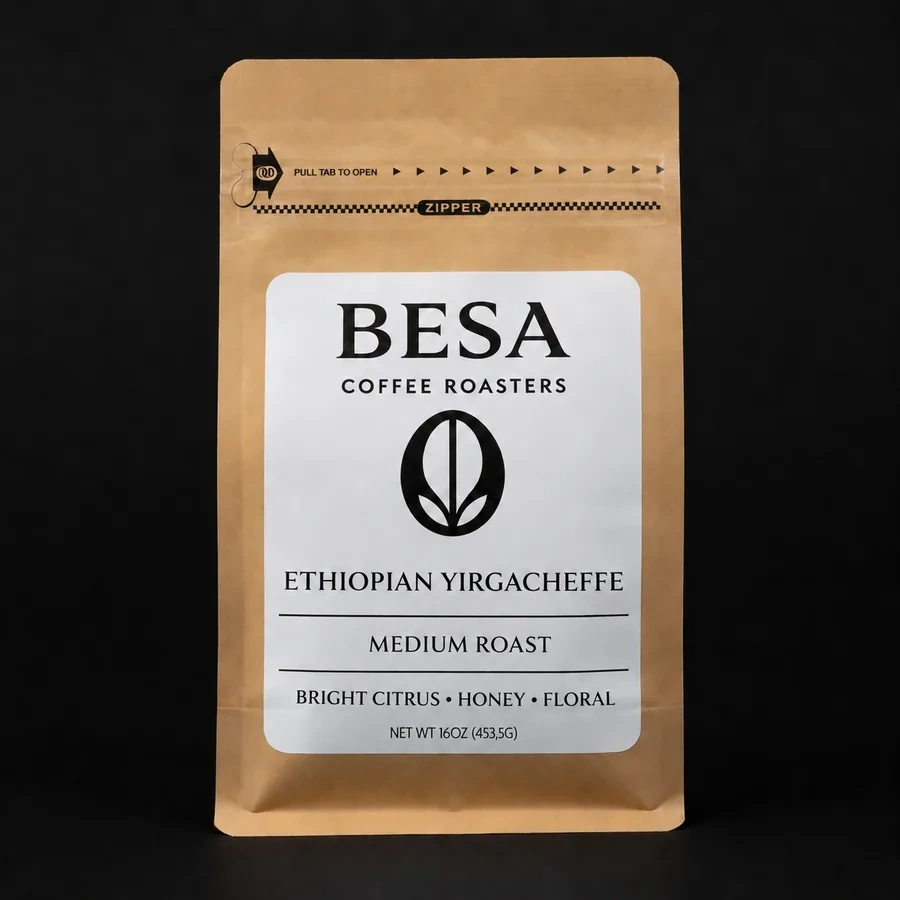
Roasted only after you order. Both of our coffees are 24 per full pound, and most roasters sell 12 oz bags. Your first order is covered by our love it or your money back guarantee.
The short answer: Rinse the filter, add 20 grams of medium-fine coffee, and bloom with 50 grams of water for 45 seconds. Then pour in slow circles, to 180 grams, rest, and finish at 320 grams of water at 200 to 205 degrees. The last drip should land near 3 minutes.
What pour over is, and why it tastes so clean
Pour over is simple at heart. You pour hot water by hand over ground coffee in a paper filter, and the coffee drips into your mug or carafe below. No machine sets the pace. Your hand does.
That paper filter is why the cup tastes so clean. It holds back oils and fine sediment, so what lands in your mug is bright and clear. That is also why pour over shows mistakes fast. There is nowhere for a fast pour to hide. The good news: ratio, grind, heat, and time are all in your hands. Lock those four, and the same cup comes back every morning.
What you need, and what you can skip
You need a dripper, paper filters that fit it, and a kettle. That is enough to start today.
Three tools make it repeat. A gooseneck kettle pours slow and lands where you aim, and it changes this method most. A scale with a timer makes your pours repeat. A burr grinder makes even grounds, while a blade grinder makes dust and chunks that brew sour and bitter in the same cup.
No gooseneck or scale yet? Brew anyway, pouring slow from a regular kettle. Just know which tool to add first.
The recipe at a glance
Brew it exactly as written twice before you change a thing.
| Part | Start here | Why |
|---|---|---|
| Coffee | 20 g, medium-fine like table salt | Even grounds drain at the right speed |
| Water | 320 g at 200 to 205°F | A 1:16 ratio, rich but clear |
| Bloom | 50 g water, wait to 0:45 | Lets the gas out so water can get in |
| First pour | To 180 g by about 1:15 | Builds the brew in stages |
| Second pour | To 320 g by about 2:00 | Keeps the bed level and even |
| Finish | Last drip near 3:00 to 3:30 | Your grind check, in one number |
That 1:16 dose sits in the middle of the range most brewers use, 1:15 to 1:17. Our coffee to water ratio chart shows how to scale it up or tune it for strength.
How to make pour over coffee, step by step
- Heat the water. Bring it to 200 to 205 degrees. No thermometer? Boil it, take it off the heat, and wait about 30 seconds. Light roasts like the hot end of that range.
- Rinse the filter. Set the filter in the dripper and pour hot water through it. This washes out the papery taste and warms the dripper and mug. Pour that rinse water away.
- Add the coffee. Grind 20 grams medium-fine, like table salt, right before you brew. Add it to the filter, shake the bed level, set it all on the scale, and zero the scale.
- Bloom to 50 grams. Start your timer and pour about 50 grams of water, near double the coffee weight, just enough to wet every ground. Wait until 0:45. Fresh coffee swells and bubbles as trapped gas escapes. That gas would push water away if you rushed past it. Our guide to what coffee bloom is shows how to read it.
- Pour to 180 grams. Pour slow, in small circles from the center out, and stay off the paper walls. Water that runs down the paper skips the coffee and just waters your cup down. Reach 180 grams at about 1:15.
- Rest, then pour to 320 grams. Pause until about 1:30, then pour again in the same slow circles until the scale reads 320 at about 2:00.
- Swirl and let it drain. Give the dripper one gentle swirl to flatten the bed, then let it drip. You want the last drip near 3:00 to 3:30. Take the dripper off, swirl the mug, and taste.
That is the whole method. Seven steps, about 3 minutes.
Your dripper changes the clock a little
Each dripper drains at its own speed, so your target finish moves a bit. A cone dripper like the V60 lands at about 2 and a half to 3 and a half minutes. A flat-bottom dripper often likes a medium grind and runs 3 to 4 minutes. A Chemex uses a thick filter, likes medium-coarse, and can run 3 and a half to 5 minutes.
Do not chase the clock by pouring faster. The clock is a clue. If your time is off, the next section gives you the one change to make.
Too fast, too slow, just right: the grind rule
Your finish time tells you what your taste already knows. Water rushes through, ends early, and tastes sour and thin? Your grind is too coarse. Go one step finer.
Water stalls, drags late, and tastes bitter and dry? Your grind is too fine. Go one step coarser.
Change only the grind until the time lands right. Then move the ratio one step, to 1:15 or 1:17, for strength. The coffee grind size chart shows each setting by brewer, and our fixes for sour coffee and bitter coffee go deeper on taste.
The 5-point pour over checklist
Tape this to the cabinet door for your next five brews.
- Weigh it. 20 grams of coffee, 320 grams of water, every time.
- Rinse and warm. Hot water through the filter first, rinse water poured away.
- Never skip the bloom. 50 grams of water and a full wait to 0:45. No bubbles at all can mean the bag is stale.
- Pour in stages, stay off the walls. 180 grams, a short rest, then 320 grams, always in slow circles over the coffee.
- Read the clock, change one thing. Fast and sour, grind finer. Slow and bitter, grind coarser. Write your winner down.
Which of our bags should you pour first?
Our Ethiopian Yirgacheffe was made for this method. It is a single origin, light-medium roast with citrus, honey, and floral notes, and this clean brew keeps them clear. See how to brew Ethiopian Yirgacheffe coffee and best coffee for pour over for more.
Want the warmer cup? Our Colombian Huila is a single origin with dark chocolate, caramel, and hazelnut notes. In a pour over it tastes sweet and smooth, with more body than the Ethiopian.
One last truth: this timeline makes a fresh bean repeat, but it cannot save a stale one. If your bloom stays flat, check the roast date before you blame your pour. Both of our bags are roasted only after you order, so your care starts with a bean that still bubbles back.
Pour over questions, answered
What ratio should I use for pour over coffee?
Start at 1:16, one gram of coffee for every 16 grams of water. For one large cup that is 20 grams of coffee to 320 grams of water. Most brewers land between 1:15 and 1:17. Lower is stronger, higher is lighter.
What grind size is best for pour over?
Medium-fine, like table salt, for a cone dripper. Flat-bottom drippers like medium, Chemex likes medium-coarse. Drains fast and sour? Grind finer. Stalls and bitter? Grind coarser.
What water temperature should I use for pour over?
Use 200 to 205 degrees, inside the wider 195 to 205 range. Light roasts like the hot end. No thermometer? Boil, then wait about 30 seconds.
How long should pour over coffee take to brew?
About 3 minutes for one cup in a cone dripper, finishing between 3:00 and 3:30 with this recipe. Flat-bottom drippers run 3 to 4 minutes, a Chemex 3 and a half to 5.
Why do I rinse the paper filter first?
Rinsing washes out the papery taste a dry filter can add, and the hot water warms the dripper and mug. Pour the rinse water away first.
Why does my pour over taste sour or bitter?
Sour and thin means it ran too fast: grind finer. Bitter and dry means it ran too slow: grind coarser. Change one thing at a time.
Now make the clean cup twice.
You have the timeline: bloom, 180, rest, 320, done near 3 minutes. Put a fresh bag under it, roasted only after you order, and taste what your pour has been missing.