
Why Does My Coffee Taste Sour? 5 Causes and How to Fix Each One
Your coffee tastes like a lemon wedge, and you changed nothing. That sharp, puckering sourness is not a bad bean. It is your brew sending you a message. Give me two minutes, and you will know exactly which of the five causes is behind your cup, plus the one fix that repairs most sour cups tomorrow morning.
Roasted only after you order. Both of our coffees are 24 per full pound, and most roasters sell 12 oz bags. Your first order is covered by our love it or your money back guarantee.
The short answer: Your coffee tastes sour because it is under-extracted. The water pulled out the acids but stopped before the sugars could balance them. Five things cause it: a grind that is too coarse, water that is too cool, a brew that finished too fast, too much water for the dose, and beans past their peak. Grind one step finer first. That fixes most sour cups.
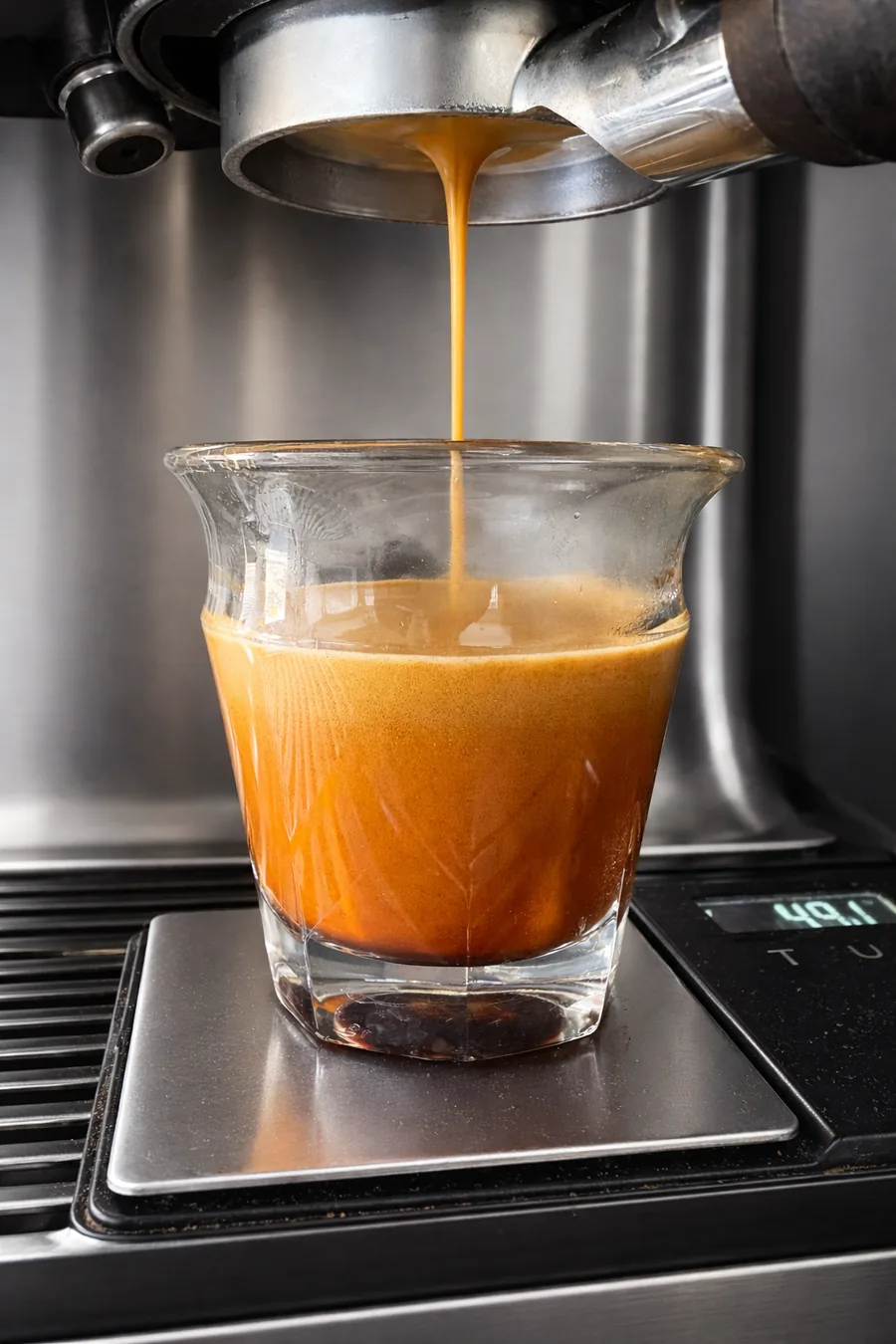
Yesterday it was fine. Today your cup makes you wince. So you did what everyone does: you blamed the beans. Maybe you even thought about switching brands.
Hold on. That sour taste is almost never the bean. It is almost always the brew. Your coffee is telling you something specific, and once you learn to read it, you can fix it in one or two brews.
By the end of this guide you will know the five real causes of sour coffee, the exact fix for each one, and the morning checklist I run through whenever my own cup tastes off.
Why does your coffee taste sour? Under-extraction, almost every time
Here is the one idea that explains nearly every sour cup. Brewing is extraction. Hot water pulls flavor compounds out of the grounds. The acids dissolve first. The sugars come later.
Stop the brew too soon, and you get all of the acid with none of the sweetness to balance it. That is under-extraction. It tastes sour, sharp, and sometimes even salty. Its opposite is over-extraction, which tastes bitter and hollow. Same ingredients, opposite mistakes, opposite fixes.
So here is the quick rule I want you to remember. Sour means you need MORE extraction. Bitter means you need LESS. When your coffee tastes sour, your next brew should extract more, not less.
Keep reading and I will show you the five ways your brew can fall short, and the exact fix for each one.
The 5 causes of sour coffee, and how to fix each one
1. Your grind is too coarse
This is the most common cause, and it is the first thing to change. Coarse grounds have less surface area, so water rushes through before the flavor dissolves. The result is a weak, sharp, sour cup.
The fix: go one or two steps finer on your grinder and taste the next brew. Do not change anything else yet. That single change repairs most sour cups.
A quick warning about pre-ground coffee. Supermarket ground coffee is often too coarse for the method you are using. Grinding fresh, right before you brew, is one of the simplest upgrades you can make.
2. Your water is not hot enough
Cool water cannot pull flavor out of the grounds. If your water never gets hot enough, the acids dissolve but the sugars never catch up. Sour cup.
The fix: brew between 195 and 205 degrees Fahrenheit (90 to 96 Celsius). That is the range the Specialty Coffee Association and the National Coffee Association recognize for balanced extraction. Below 195, your brew will under-extract. No thermometer? Boil the water, then let it sit about 30 seconds before you pour.
One more note. Do not swing to the other extreme. Water above 205 pulls out bitter, harsh compounds fast. Hot is right. Boiling is too far.
3. Your brew finished too fast
Rushing the pour or plunging early cuts extraction short. This one sneaks up on people who got a new brewer or a new bag and kept the old routine.
The fix: slow down and add 10 to 30 seconds to your brew. As a guide, a pour-over should take about 2 to 4 minutes total, and a French press should steep about 4 minutes. If you pull espresso shots, aim for 25 to 30 seconds for a balanced shot.
My go-to espresso recipe: dose 18 grams of coffee in. Pull a 1:2 ratio, so 36 grams of espresso out, in 25 to 30 seconds. That is your classic balanced shot. Want a lungo, a longer and gentler shot? Keep the same 18 grams in and stretch to a 1:3 ratio, about 54 grams out. If the shot runs fast and tastes sour, grind finer. If it chokes and tastes bitter, grind coarser. Small moves. Taste every shot.
Start with a bloom. Pour just enough hot water to saturate the grounds, about twice the weight of your coffee, and wait about 30 seconds. You will see bubbles. That is trapped gas escaping. Skip the bloom and that gas pushes water away from parts of the grounds, so some of your coffee brews and some barely gets wet.
4. Your coffee to water ratio is too weak
Too much water for your dose of coffee stretches extraction thin. The cup tastes watery and sour at the same time.
The fix: weigh both and aim for 1 part coffee to 15 to 17 parts water. A scale is the cheapest accuracy upgrade in coffee. At 1:16, every 250 grams of water wants about 15 to 16 grams of coffee. Double the water, double the coffee. Nothing else changes.
5. Your beans are stale, or they were roasted to be bright
Coffee loses sweetness first as it ages. Beans past their peak, or stored in air and light, can turn sharp and sour. Use beans within 2 to 4 weeks of the roast date, keep them airtight and away from light, and treat a bag with no roast date as a red flag. I wrote a full guide on that here: the 5-second freshness test.
Also know this. Light roasts keep more of the bean's natural acids, so they can taste noticeably more sour than medium or dark roasts of the same bean. And some coffees are roasted to be bright on purpose, especially African coffees and modern light roasts. That brightness is a feature, not a flaw.
Our Ethiopian Yirgacheffe is one of those bright coffees. It is supposed to taste lively. If you love that style, keep brewing it and fix the brew, not the bean. If you want zero sour edge at all, the Colombian Huila is the smoother pick.
One more quiet culprit: your water. Chlorinated tap water, or water with very little mineral content, can make coffee taste dull or off. Filtered water with balanced minerals gives you the cleanest cup.
Your sour coffee checklist for tomorrow morning
Run these five in order. Change one thing at a time, taste, and stop when the cup is balanced.
- Grind one step finer. This alone fixes most sour cups.
- Heat your water to 195 to 205 degrees. Hot enough to extract, not so hot it turns bitter.
- Weigh your coffee. 1 part coffee to 15 to 17 parts water.
- Bloom 30 seconds, then pour slow. Target 2 to 4 minutes for pour-over, 4 minutes for French press, 25 to 30 seconds for espresso.
- Taste. Still sour? Go finer again, or check the roast date. If the bag is old, no technique can save it.
Sour coffee questions, answered
Why does my coffee taste sour all of a sudden?
A sudden sour taste almost always means under-extraction: your grind drifted coarser, your water cooled down, your brew finished too fast, your ratio slipped, or your beans passed their peak. Work the checklist above in order. Grind one step finer first.
Is sour coffee the same as acidic coffee?
No. Pleasant acidity is bright and lively, and some coffees are prized for it. Sour is sharp, puckering, and unbalanced, and it signals under-extraction. If your cup makes you wince, the brew is the problem, not the bean.
What water temperature stops coffee from tasting sour?
Brew between 195 and 205 degrees Fahrenheit. That range pulls the full flavor out of the grounds without the sour sharpness of under-extraction or the bitterness of over-extraction. More on brewing without guesswork in my guide on making espresso without a machine.
Does a finer grind fix sour coffee?
Yes, and it is the first fix to try. A grind that is too coarse lets water rush through before the good flavors dissolve. Go one or two steps finer on your grinder and taste the next brew. That single change repairs most sour cups.
Should I use a darker roast if my coffee tastes sour?
If you dislike brightness, yes. Light roasts preserve more of the bean's natural acids and can taste noticeably more sour than medium or dark roasts of the same bean. Some coffees are even roasted to be bright on purpose, so match the roast style to your taste.
Can old coffee beans taste sour?
Yes. Coffee loses sweetness first as it ages, and beans past their peak can turn sharp or sour, especially if stored badly. Use beans within 2 to 4 weeks of roast, keep them airtight and away from light, and treat a bag with no roast date as a red flag.
Taste a cup that is balanced from the first sip.
Every Besa bag is roasted only after you order, in Houston, Texas, so the sweetness is still in the bean when it ships.