
How to Make Moka Pot Coffee: Strong, Rich, and Not Bitter
Your moka pot makes coffee that tastes burnt. So you blame the pot, or the beans, and the pot ends up in the back of a cabinet. How to make moka pot coffee well comes down to two small fixes most guides skip. One is the water you start with. The other is the exact second you pull the pot off the heat. Give me two minutes. By the end, you will have the full method, step by step, and your next pot will taste strong and rich instead of bitter.
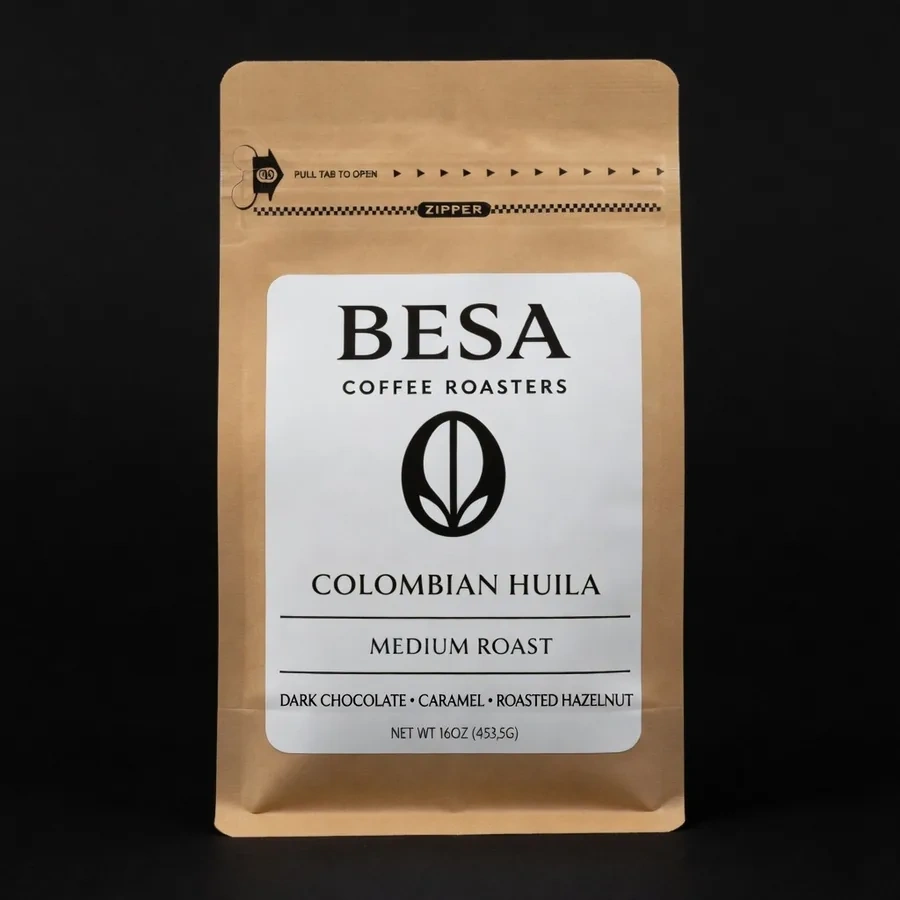
Roasted only after you order. Both of our coffees are 24 per full pound, and most roasters sell 12 oz bags. Your first order is covered by our love it or your money back guarantee.
The short answer: Start with hot water from a kettle, filled to just below the safety valve, and a basket of medium-fine coffee leveled off, never tamped. Brew on medium-low heat with the lid open, and pull the pot off the heat the moment the stream turns pale and sputters. Cool the base, stir, and pour for a strong, rich cup that is not bitter.
What a moka pot actually does
The moka pot is a small stovetop brewer from Italy. Bialetti brought out the Moka Express in 1933, and the design has barely changed since. It has three parts. The bottom chamber holds water. The middle is a funnel basket that holds your coffee. The top collects the brew.
Here is how it works. Heat makes steam in the bottom chamber. That steam builds pressure, and the pressure pushes hot water up through the grounds and into the top. Simple, and strong.
But know what it is not. It is not true espresso. A moka pot brews at about 1.5 bars of pressure. An espresso machine uses at least 9 bars. That gap is why your moka coffee will not pour with thick crema on top. What you get instead is a bold, full cup that stands on its own. If you want the full no-machine picture, read our guide on how to make espresso without an espresso machine.
One more thing before you brew. Pot sizes count small espresso-style cups, not mugs. A 6-cup pot makes roughly 8 ounces of coffee. Buy the size that matches the cup you actually drink.
How to make moka pot coffee, step by step
This is the method I use. It takes about five minutes, and every step has a reason.
- Heat your water first. Boil water in a kettle, then let it sit for about 30 seconds. This one step matters more than any other, and the next section tells you why.
- Fill the base to just below the safety valve. That little valve on the side is your fill line. Never cover it. The pot is built to brew at that level.
- Grind medium-fine. Aim for the feel of table salt: finer than drip, coarser than espresso. A 4-cup pot takes about 18 to 20 grams of coffee, which works out to roughly a 1 to 10 ratio of coffee to water. If grind size trips you up, our coffee grind size chart shows every level in one place.
- Fill the basket and level it. Do not tamp. Spoon the coffee in, level the top with your finger, and brush off the rim. Never press it down. The low pressure of this pot cannot push water through a packed puck, so a tamped basket brews slow and harsh.
- Screw the top on tight. The base will be hot from the water, so hold it with a towel. A tight seal keeps the pressure where it belongs.
- Set it on medium-low heat, lid open. Low and slow wins here. High heat builds pressure too fast and scorches the coffee. With the lid open, you can watch the stream.
- Pull it off at the pale sputter. The coffee should flow out smooth and rich in color. The moment the stream turns pale and starts to sputter, take the pot off the heat. That sputter is steam, not coffee, and steam in the cup tastes bitter.
- Cool the base, stir, and pour. Run cold water over the bottom chamber to stop the brew at once. Stir the coffee in the top so the strong first pours mix with the lighter last ones. Then pour it all and drink it fresh.
Why your moka pot coffee tastes bitter
Almost every bitter moka pot I have seen comes down to the same short list.
You started with cold water. This is the big one. When the base starts cold, the pot sits on the heat for minutes before it brews. The metal gets hot fast, and the dry grounds in the basket cook against that hot metal the whole time. They scorch before water ever reaches them. Hot water from a kettle cuts the stove time down, and the burnt taste goes with it.
Your heat was too high. A hard flame rushes the water through and cooks the coffee on the way. Medium-low heat gives you a slow, even flow, and a much sweeter cup.
You left it on too long. Once the sputter starts, the good coffee is already in the top chamber. Every extra second on the heat just overcooks it. Off the heat, base under cold water, done.
Your grind was too fine, or your pot was dirty. Espresso-fine grounds choke the flow and turn the brew harsh. Old coffee oils left in the pot do the same. Rinse the pot with warm water after each use, dry it fully, and keep the grind at table salt.
The right bean makes this easy
A moka pot brews strong, so it rewards a bean with real sweetness. Medium roasts shine here. They have the body for a concentrated cup, and their sweet notes hold up under pressure and heat.
That is why I reach for our Colombian Huila first. It is a medium roast with chocolate, caramel, and warm hazelnut notes, rich and sweet with a smooth, full body. In a moka pot, that chocolate depth just works.
Like a brighter cup? Our Ethiopian Yirgacheffe is a light-medium roast with bright citrus, sweet honey, and soft floral notes. It brews a livelier moka pot, closer to a strong filter coffee. Either way, two rules hold. Buy whole bean and grind right before you brew. And check the roast date, because a strong brew method shows stale beans with no mercy.
Moka pot coffee questions, answered
How do you make moka pot coffee?
Fill the base with hot water to just below the safety valve. Fill the basket with medium-fine coffee, level it, and do not tamp. Screw the top on tight, set the pot on medium-low heat with the lid open, and take it off the heat the moment the stream turns pale and starts to sputter. Cool the base under cold water, stir, and pour.
What is the best ratio for moka pot coffee?
About 1 to 10: 1 gram of coffee for every 10 grams of water. A 4-cup pot takes roughly 18 to 20 grams of coffee. In practice, the pot sets the ratio for you: fill the water to just below the safety valve, and fill the basket level to the top.
Why does my moka pot coffee taste bitter?
The top cause is starting with cold water: the pot sits on the heat, the metal gets hot, and the dry grounds cook before water reaches them. Start with hot water from a kettle, keep the heat medium-low, and pull the pot off when the stream turns pale and sputters. Too-fine grounds also add bitterness.
Is moka pot coffee the same as espresso?
No. A moka pot brews with steam pressure of about 1.5 bars. An espresso machine uses at least 9 bars. That is why moka coffee is strong and rich but does not pour with the thick crema of a true espresso shot. Think of it as its own drink: bold, full, and made on a stove.
What grind size is best for a moka pot?
Medium-fine, about like table salt. It should be finer than drip coffee but coarser than espresso. Too fine and the low pressure of the pot cannot push water through well, so the brew runs slow and bitter. Too coarse and the water rushes through, so the cup tastes weak.
How do you clean a moka pot?
Take the pot apart once it cools and rinse every part with warm water. For an aluminum pot, skip soap and never use the dishwasher, then dry it fully before you put it back together. Old coffee oils left in the pot are a common cause of harsh, stale flavor.
Dust off the pot. Brew it right this time.
Hot water first, low heat, off at the sputter, and a fresh medium roast in the basket. Both of our coffees are single origin, sold by the full pound, and roasted only after you order.