
How to Make AeroPress Coffee: The Simple 2-Minute Method
Your AeroPress was supposed to be the easy brewer. Then one cup came out sour, the next came out bitter, and you swear you changed nothing. How to make AeroPress coffee well is not about a secret recipe. It is about four things done the same way every time: dose, grind, water, and a slow press. Give me two minutes. By the end, you will have one simple recipe, the fix for a sour or bitter cup, and which bean to brew first.
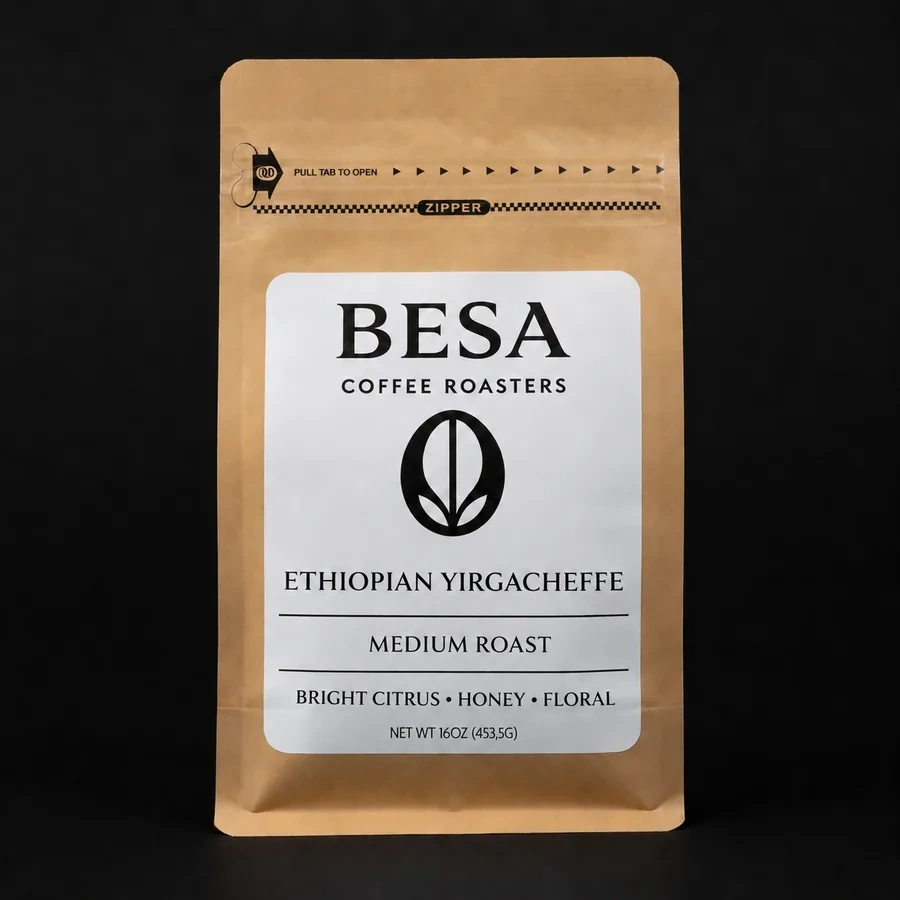
Roasted only after you order. Both of our coffees are 24 per full pound, and most roasters sell 12 oz bags. Your first order is covered by our love it or your money back guarantee.
The short answer: Set a rinsed paper filter in the cap and put the brewer on a sturdy mug. Add 15 grams of medium-fine coffee and 225 grams of water at about 200 degrees, a 1 to 15 ratio. Stir for about 10 seconds, set the plunger on top, and steep for 1 minute. Then press slowly for 20 to 30 seconds and stop at the hiss. That is the whole method, done in about 2 minutes.
What makes the AeroPress different
The AeroPress is a small plastic brewer with a plunger. It was invented by Alan Adler, the engineer behind the Aerobie flying ring, and it first showed up at a coffee trade show in 2005. There is even a World AeroPress Championship, a global contest run in head-to-head rounds to find the best cup.
Here is why it works so well. Most brewers do one job. A French press steeps. A pour over filters. The AeroPress does both, then adds a push. Your grounds steep in hot water, like a press. Then you press the brew through a paper filter with gentle air pressure. That filter traps grit and oils, so your cup comes out smooth and clean, with more body than a pour over.
That mix is why this brewer forgives so much. The steep gives every ground full contact with the water, and the filter cleans up the cup at the end. To see how it stacks up against a steep-only brewer, read our guide on how to make French press coffee.
How to make AeroPress coffee, step by step
Here is the recipe I start with: 15 grams of coffee, 225 grams of water, a medium-fine grind, and water at about 200 degrees. That is a 1 to 15 ratio, and it makes one full mug. The whole brew takes about two minutes.
- Rinse the filter and set up. Put a paper filter in the cap, rinse it with hot water, and screw the cap on. Set the brewer on a sturdy mug. The rinse washes out the paper taste and warms your mug at the same time.
- Grind 15 grams, medium-fine. Aim for the feel of table salt: finer than drip, coarser than espresso. Grind right before you brew, and weigh it if you can. A scale is what makes the same cup show up twice. If grind sizes blur together for you, our coffee grind size chart shows each one by touch.
- Heat your water to about 200 degrees. The Specialty Coffee Association puts good brewing water between 195 and 205 degrees. No thermometer? Boil the water, take it off the heat, and wait 30 to 45 seconds. You will land close enough.
- Pour and stir. Add your coffee to the brewer, then pour in all 225 grams of water. Stir gently for about 10 seconds so every ground gets wet. Dry pockets brew weak, and weak spots are where sour notes hide.
- Set the plunger and steep for 1 minute. Push the plunger into the top of the brewer and lift it just a touch. That seal holds the coffee in while it steeps, so your full 225 grams stays in contact with the grounds.
- Press slow, and stop at the hiss. Press down slow and steady, with the weight of your hand and arm, not your shoulder. The press should take 20 to 30 seconds. When you hear a soft hiss, stop. You are done.
- Pop the puck and rinse. Take off the cap and press the plunger once more over a bin. The used grounds pop out as one dry puck. Rinse the parts and you are ready for the next cup.
One safety note: press on a sturdy mug on a counter, never on thin glass. If you have to shove, your grind is too fine.
The inverted method, once you have the basics
You build the brewer upside down. Push the plunger partway into the chamber and stand the brewer with the open end up. Add your coffee and water there, and steep for 1 to 2 minutes. Nothing drips out.
Then put the rinsed cap on top, place your mug over it, and flip the whole thing in one calm move. Press as usual. The gain is full control of your steep time. The cost is one flip that can spill if you rush it. Learn the upright method first.
Sour or bitter? Fix one thing at a time
Your cup talks to you. Read it right, change one thing, and brew again.
Sour, thin, or sharp? Your coffee under-extracted. The water did not pull enough out of the grounds. Grind a step finer, steep 30 seconds longer, or use hotter water next time. Our full guide on why coffee tastes sour walks through the same fix order for every brewer.
Bitter or harsh? Your coffee over-extracted. Grind a step coarser, use slightly cooler water, or shorten the steep. Do not press harder to fix it. Force is not a flavor tool in this brewer.
Weak, but not sour? That is a dose problem, not a grind problem. Add 1 or 2 grams more coffee and keep the water the same. The cup gets stronger without turning bitter.
One last note: the inventor brews cooler than almost anyone. Alan Adler's own recipe uses water at about 175 degrees, a short stir, a gentle press, then hot water on top to fill the mug. There is no single right cup here. There is only the cup you can repeat.
Which bean should you brew first?
The AeroPress shows a bean clearly, because that paper filter keeps the cup clean. So your pick changes the drink more than your technique does.
For a bright cup, reach for our Ethiopian Yirgacheffe. It is a light-medium roast with bright citrus, sweet honey, and soft floral notes. In an AeroPress, those top notes stay front and center, and the cup drinks almost like a rich tea.
For a rich, smooth cup, reach for our Colombian Huila. It is a medium roast with dark chocolate, caramel, and warm hazelnut notes, rich and sweet with a smooth, full body. It is the forgiving pick, and the one I hand to anyone brewing their first AeroPress.
Either way, two rules hold. Buy whole bean, grind right before you brew, and check the roast date. A clean brewer like this one puts stale beans on full display.
AeroPress coffee questions, answered
How do you make AeroPress coffee?
Put a rinsed paper filter in the cap and set the brewer on a sturdy mug. Add 15 grams of medium-fine coffee and 225 grams of hot water, stir for about 10 seconds, and set the plunger on top. Steep for 1 minute, then press slowly for 20 to 30 seconds and stop when you hear a hiss.
What grind size is best for an AeroPress?
Medium-fine, about like table salt. It is finer than drip coffee and coarser than espresso. Too coarse and the cup tastes weak and sour. Too fine and the press gets hard and the cup turns bitter.
What is the best ratio for AeroPress coffee?
Start at 1 to 15: 15 grams of coffee to 225 grams of water. That makes one full, balanced mug. Change the dose by 1 or 2 grams at a time so you can taste what changed.
What water temperature is best for an AeroPress?
About 200 degrees Fahrenheit is a good start. The Specialty Coffee Association puts good brewing water between 195 and 205 degrees. No thermometer? Boil your water, take it off the heat, and wait 30 to 45 seconds.
What is the inverted AeroPress method?
You build the brewer upside down, with the plunger partway in and the open end up. Add your coffee and water, steep for 1 to 2 minutes with nothing dripping through, then put the rinsed cap on, flip the whole brewer onto your mug, and press.
How do you clean an AeroPress?
Take off the cap and press the plunger one more time over a bin. The used grounds pop out as one dry puck. Rinse the parts, let them dry, and you are done. It is one of the fastest cleanups of any brewer.
Two minutes. One clean, sweet cup.
Now you have the recipe: 15 grams, medium-fine, a 1-minute steep, and a slow press. Both of our coffees are single origin, sold by the full pound, and roasted only after you order, so your first press starts with a fresh bag.