
How to Read a Coffee Bag Label: The 7 Things That Actually Matter
You stand in the aisle holding two bags. Both look great. Both cost about the same. One will taste alive, and one will taste flat, and the label already told you which. Give me two minutes. By the end, you will know how to read a coffee bag label in about 30 seconds, and never guess again.
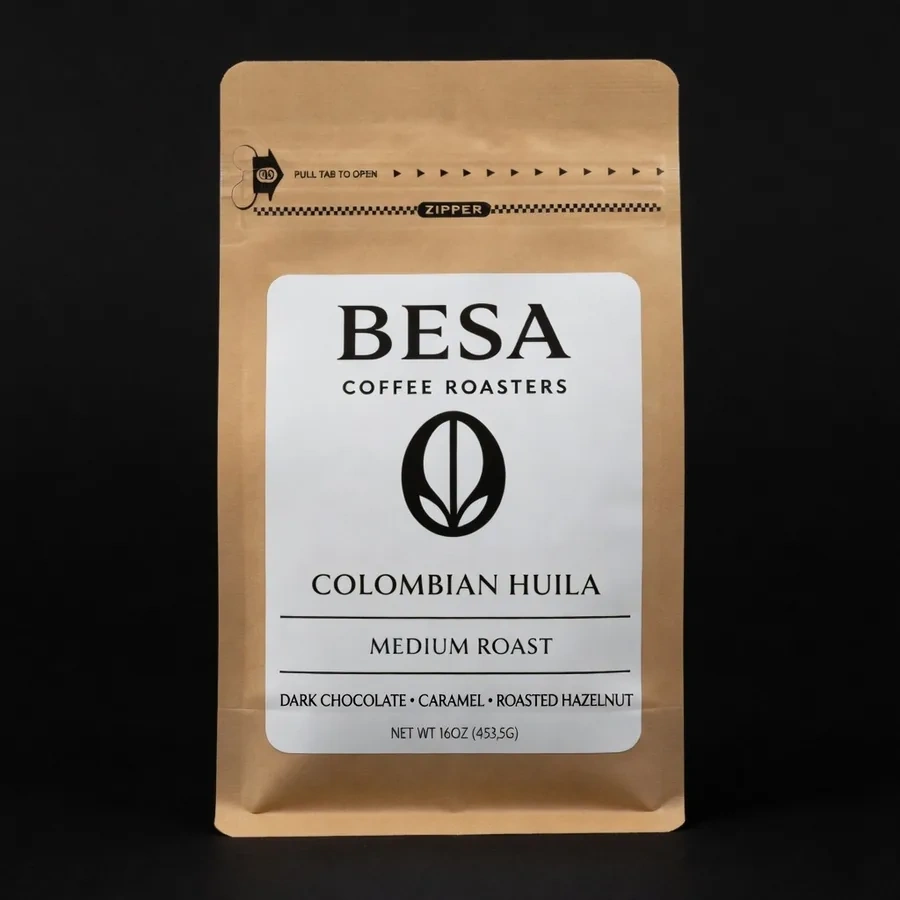
Roasted only after you order. Both of our coffees are 24 per full pound, and most roasters sell 12 oz bags. Your first order is covered by our love it or your money back guarantee.
The short answer: Check seven things: the roast date first, then origin down to the region, the process, the roast level, the tasting notes, altitude and variety, and the net weight. The roast date matters most, because coffee tastes best within about 4 weeks of roasting, while a best by date alone can hide coffee that is months old.
First, know this: most of the label is optional
Here is the secret that makes the rest easy. In the United States, the law asks for very little: what the product is, the net weight, and the name and address of the company. Almost everything else is there because the roaster chose to tell you.
That is why one bag reads like a book and the next tells you almost nothing. Read the label as a honesty test: the more a roaster tells you, the more they stand behind.
1. The roast date: the one number that rules the bag
If you check only one thing, check this. The roast date tells you the day the coffee was roasted, and coffee tastes best from a few days after that day to about 4 weeks after. Fresh beans give off carbon dioxide for the first few days, so a short rest helps, above all for espresso. After about a month, aroma and flavor fade in a clear way.
Now look for the trap: a “best by” date. That is a shelf life guess, often 9 to 18 months after roasting. It tells you when the coffee stops being sellable, not when it was fresh. A bag with no roast date gives you no way to know its age. Our coffee freshness test shows you how to spot the fade in the cup, too.
2. Origin: country is a start, region is the story
Origin tells you where the coffee grew, and detail comes in layers. A country name is the broadest layer. A region says far more, because regions have their own taste. A Colombian coffee from Huila and one from Nariño can taste very different. A farm or cooperative name is the deepest layer. It does not promise a great cup, but it shows the roaster can trace the coffee back to the people who grew it.
Watch the wording, too. A single origin coffee comes from one place. A blend mixes coffees, often from more than one country, to build a planned flavor.
3. Process: washed, natural, or honey
Process is how the seed was taken out of the coffee cherry and dried, and it shapes the taste a lot. Washed coffee has the fruit removed before it ferments in water, is rinsed, and dries. It tends to taste clean and clear. Natural coffee dries inside the whole cherry for weeks. It tends to taste fruity and sweet, with a heavier body. Honey process keeps some of the sticky fruit layer on while the beans dry, so it lands in between.
Use the process word as a flavor shortcut. If you like a clean, bright cup, start washed. If you like fruit and body, start natural. Our guide to washed vs natural coffee walks through the full split.
4. Roast level: light, medium, or dark, with one catch
Roast level tells you how dark the beans were roasted. Light roasts keep the most origin character: fruit, florals, and brighter acidity. Medium roasts balance that with more sweetness and body. Dark roasts taste mostly of the roast itself, and the beans often look oily.
The catch is that there is no shared standard. One roaster’s medium can be another roaster’s dark. So treat the word as a rough guide, and let the tasting notes tell you the rest. Our light roast vs dark roast guide can help you pick your side.
5. Tasting notes: a guide, not an ingredient list
Those flavor words, like dark chocolate, citrus, or jasmine, come from the roaster tasting the coffee. They say what the coffee reminds them of. Nothing was added to the beans. There is no chocolate in a bag that lists dark chocolate. Use them as a guide to general character: fruity, chocolatey, floral, or sweet.
6. Altitude and variety: the quiet clues
Some bags list how high the coffee grew, in meters above sea level. Much of the best Arabica grows between about 1,200 and 2,200 meters. Cool air up high slows ripening, which tends to give denser beans with more sugar, brighter acidity, and more complex flavor. A tendency, not a promise.
Variety names the type of coffee plant, much like grape types in wine. Most specialty coffee is Arabica. Ethiopian coffees often list local landraces, sometimes shown as heirloom. Once you notice which ones you like, they turn into a handy guide.
7. Net weight and seals: read them last, read them right
Net weight looks dull. It is not. Many specialty bags hold 12 ounces, not a full pound. Check the number before you compare two bags on price, or you may pay the same for a third less coffee. Our bags are a full pound, 16 ounces.
Then the seals. Names like Fairtrade, Rainforest Alliance, USDA Organic, and Bird Friendly mean the coffee met that group’s rules for farming, pricing, or the environment. They say nothing direct about flavor, and a missing seal does not mean a coffee was grown badly. Seals speak to how a coffee was farmed. The roast date speaks to how it will taste.
One last line matters, too: whole bean or ground. Ground coffee loses its aroma in minutes to hours. Whole beans stay fresh for weeks. If the label gives you the choice, whole bean wins.
The 30-second label checklist
Next time you hold a bag, run these checks in order.
- Roast date. A real roast date, close to today. Best by alone is a red flag.
- Origin with a region. Country at the least, region or farm if you can get it.
- Process you can use. Washed for clean, natural for fruity, honey in between.
- Roast level that fits. Light for bright, medium for balance, dark for roast flavor.
- Tasting notes in your lane. Chocolate and sweet, or fruit and floral.
- Net weight. Know if you are buying 12 ounces or a full pound.
- Whole bean. Grind at home, right before you brew.
How our own labels read
Put our bags through the same test. Our Colombian Huila is a single origin, medium roast, with dark chocolate, caramel, and hazelnut notes. Our Ethiopian Yirgacheffe is a single origin, light-medium roast, with citrus, honey, and floral notes. Both come as a full pound. And we roast only after you order, so your bag leaves Houston days old, not months old. For the region story behind the first bag, read our Colombian Huila coffee guide.
Coffee bag label questions, answered
What is the most important thing on a coffee bag label?
The roast date. Coffee tastes best from a few days after roasting to about 4 weeks after, and a best by date alone, often 9 to 18 months out, tells you nothing about age.
Is a best by date the same as a roast date?
No. A roast date is the day the coffee was roasted. A best by date is a shelf life estimate. It tells you when the coffee stops being sellable, not when it was fresh.
What do tasting notes on a coffee bag mean?
Words the roaster picked while tasting the coffee, for what it reminds them of. Nothing was added to the beans. Treat them as a guide to character, not a promise.
What does washed or natural mean on a coffee label?
The process used to remove the seed from the cherry and dry it. Washed tends to taste clean and clear. Natural, dried inside the whole cherry, tends to taste fruity and sweet with a heavier body. Honey sits in between.
Does altitude on a coffee label matter?
It is a useful clue. Much of the best Arabica grows between about 1,200 and 2,200 meters, where cool air slows ripening and tends to give denser, more complex beans. A tendency, not a guarantee.
How much coffee is in a bag?
Check the net weight. Many specialty bags hold 12 ounces, not a full pound. Besa bags are a full pound, 16 ounces.
Now read our label, then taste it.
You know the 7 checks. Single origin, a real region, a roast level that fits, and a bag roasted only after you order. That is the whole test, passed before your first sip.