
Best Coffee for Cold Brew: How to Pick Beans That Steep Smooth and Sweet
Your cold brew came out thin and sour, or thick and muddy, and you blamed the recipe. Most of the time the recipe is fine. The bag was wrong. Best coffee for cold brew is a bean choice first and a method second. Give me two minutes. By the end, you will have a five point checklist for picking the right bag, the two bags I would steep first, and the four fixes for a bad batch.
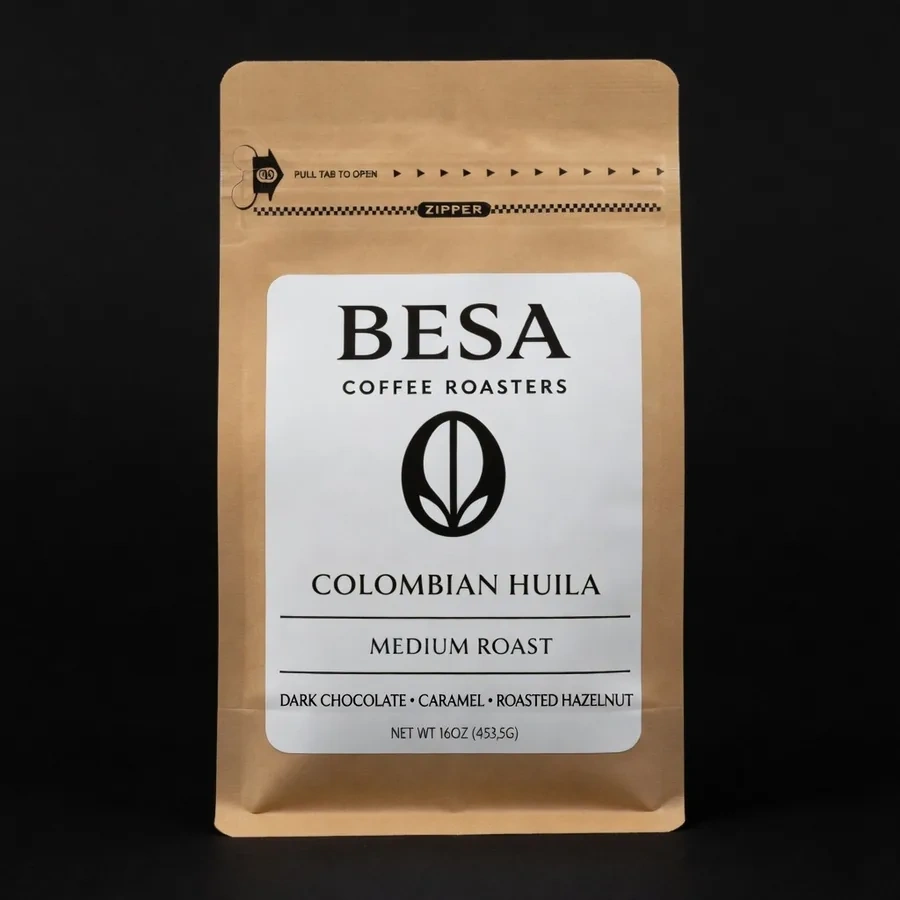
Roasted only after you order. Both of our coffees are 24 per full pound, and most roasters sell 12 oz bags. Your first order is covered by our love it or your money back guarantee.
The short answer: The best coffee for cold brew is a fresh medium or medium-dark roast, bought whole bean and ground coarse right before you brew. Medium roasts steep up smooth and sweet, with chocolate, caramel, and nut notes that survive a long cold soak. Grind about as coarse as raw sugar, steep at 1 part coffee to 8 parts water, and always check the roast date, because stale beans make flat cold brew no recipe can fix.
Why cold brew forgives recipes but not beans
Cold brew steeps coarse grounds in cold or room temperature water for 12 to 24 hours. No heat at all. Cold water works slow, and it pulls a different mix out of the bean than hot water does. A study in Scientific Reports found that cold and hot brew land close on pH, but the hot brew held more titratable acid, the total acid load that hits your tongue. Cold water also leaves more of the harsh, bitter compounds behind. That is why cold brew tastes smooth and sweet next to the same beans brewed hot.
The long steep is the catch. Your grounds sit in water for half a day or more, so small flaws get big. A grind that is too fine turns to mud and steeps harsh. Stale beans have nothing left to give, and 18 hours of soaking will not invent flavor. Fresh beans, a coarse grind, and the right roast: cold brew rewards all three, and it exposes the lack of each one.
Best coffee for cold brew: the 5-point checklist
Run any bag through these five checks before it goes in the jar. A bag that passes all five almost never makes a bad batch.
- Pick a medium or medium-dark roast. Cold water loves the deep end of the bean. Chocolate, caramel, and nut notes come through clean and sweet after a long steep, and those notes live in medium roasts. A medium roast is the safe, balanced start for most drinkers.
- Choose notes that survive the cold. The most delicate top notes fade over a long cold steep. Bags built on dark chocolate, caramel, and hazelnut hold up from the first sip to the last. Bright, floral bags still work, but expect a lighter, tea-like cup.
- Buy fresh, with a roast date you can read. Flat, papery cold brew is the taste of stale beans, and no steep time fixes it. Our full freshness check is in Is Your Coffee Stale? The 5-Second Freshness Test.
- Buy whole bean, and grind coarse right before you brew. Pre-ground coffee loses aroma fast, and standard shelf grind is too fine for a long steep. Aim for raw sugar or coarse sea salt. The full chart is in our coffee grind size chart, and the whole case is in whole bean vs ground coffee.
- Buy enough coffee. Cold brew burns beans fast. A 1 to 8 batch uses about twice the coffee of a hot brew, so a full pound, 16 oz and not 12, covers roughly four quart-size batches. Running short mid-batch is how good jars turn weak.
The two bags I would steep first
Start classic. Our Colombian Huila is a single-origin medium roast with dark chocolate, caramel, and hazelnut notes. That is the cold brew profile most people picture: smooth, sweet, and rich, with no sharp edge. Steep it at 1 to 8 and taste at about 16 hours. Over ice with a splash of milk, it drinks like a dessert that still tastes like coffee.
Then go bright. Our Ethiopian Yirgacheffe is a light-medium roast with citrus, honey, and floral notes. Cold water turns it juicy and refreshing, almost like a strong iced tea with a coffee heart. Light roasts can run thin at a standard recipe, so use a little more coffee or let it steep the full time, and taste before you strain. Two bags, two very different jars, both from beans roasted only after you order.
Brew your pick right: the short version
The full step by step lives in how to make cold brew coffee at home. Here is the short version I use.
- Grind coarse and weigh it out. Use 1 part coffee to 8 parts water by weight for a concentrate you will cut later.
- Add the water and stir. Make sure every ground is wet, with no dry pockets floating on top. Cover the jar.
- Steep 12 to 18 hours on the counter. In the fridge, give it 18 to 24 hours, since cold steeping runs slower. Past 24 hours, the cup turns bitter and woody.
- Strain twice. First through a fine mesh, then through a paper filter if you want a clean, grit-free jar.
- Cut it 1 to 1 and keep it cold. Mix the concentrate with equal parts water or milk over ice. Sealed in the fridge, the rest keeps well for up to two weeks.
Fix a bad batch
When a jar misses, it is almost always one of these four. Read your cup, find your row, fix that one thing.
- Weak and watery. Too little coffee, or too short a steep. Move toward 1 to 8 and give it more hours before you change anything else.
- Bitter and woody. The steep ran too long, or the grind was too fine. Stop at 18 hours and grind coarser next batch.
- Muddy and gritty. Fine particles slipped through. Strain a second time, through a paper filter, and grind coarser next time.
- Flat and papery. That is stale coffee talking. No ratio rescues it. Start the next batch with a fresh bag and a roast date you can see.
See the pattern? Three of the four fixes are bean fixes: dose, grind, freshness. The best coffee for cold brew is not a rare bag. It is a fresh, medium roast, ground coarse, in the right amount. Get the bag right and the jar takes care of itself.
Best coffee for cold brew? Questions, answered
What roast is best for cold brew?
A medium or medium-dark roast is the best start for most drinkers. Cold water pulls chocolate, caramel, and nut notes out clean and sweet over a long steep, and those notes live in medium roasts. Lighter roasts work too, but the cup comes out brighter and more tea-like.
What grind is best for cold brew?
Coarse, about the texture of raw sugar or coarse sea salt, and a bit coarser than French press. A fine grind turns muddy in a 12 to 24 hour steep, strains slow, and pulls harsh, bitter flavors. Grind whole beans right before you brew, since pre-ground coffee loses aroma fast.
Can you make cold brew with light roast coffee?
Yes. A light or light-medium roast makes a bright, juicy cold brew, closer to iced tea than to the classic chocolate cup. It can taste thin at a standard recipe, so use a bit more coffee or give it a longer steep to build body.
How much coffee do you use for cold brew?
Start at 1 part coffee to 8 parts water by weight for a concentrate, then cut it 1 to 1 with water or milk when you serve. For a ready to drink batch with no dilution, use about 1 to 12. Cold brew uses roughly twice the coffee of a hot brew, because cold water extracts slower.
How long does homemade cold brew keep?
Sealed and refrigerated, the concentrate keeps well for up to two weeks. Once you dilute it, drink it within a few days for the best taste. If it smells off or tastes sour in a bad way, pour it out and brew fresh.
Is cold brew stronger than regular coffee?
The concentrate is strong per ounce, because it is brewed at a high coffee to water ratio. Once you cut it 1 to 1, a glass lands near a normal cup. Exact caffeine varies with your ratio, grind, and steep time, so treat any single number with care.
Steep your smoothest batch yet.
Now you know what to look for: a fresh medium roast, notes that survive the cold, and a coarse grind at 1 to 8. Start with a bag roasted only after you order, and taste the difference a full day of patience makes.